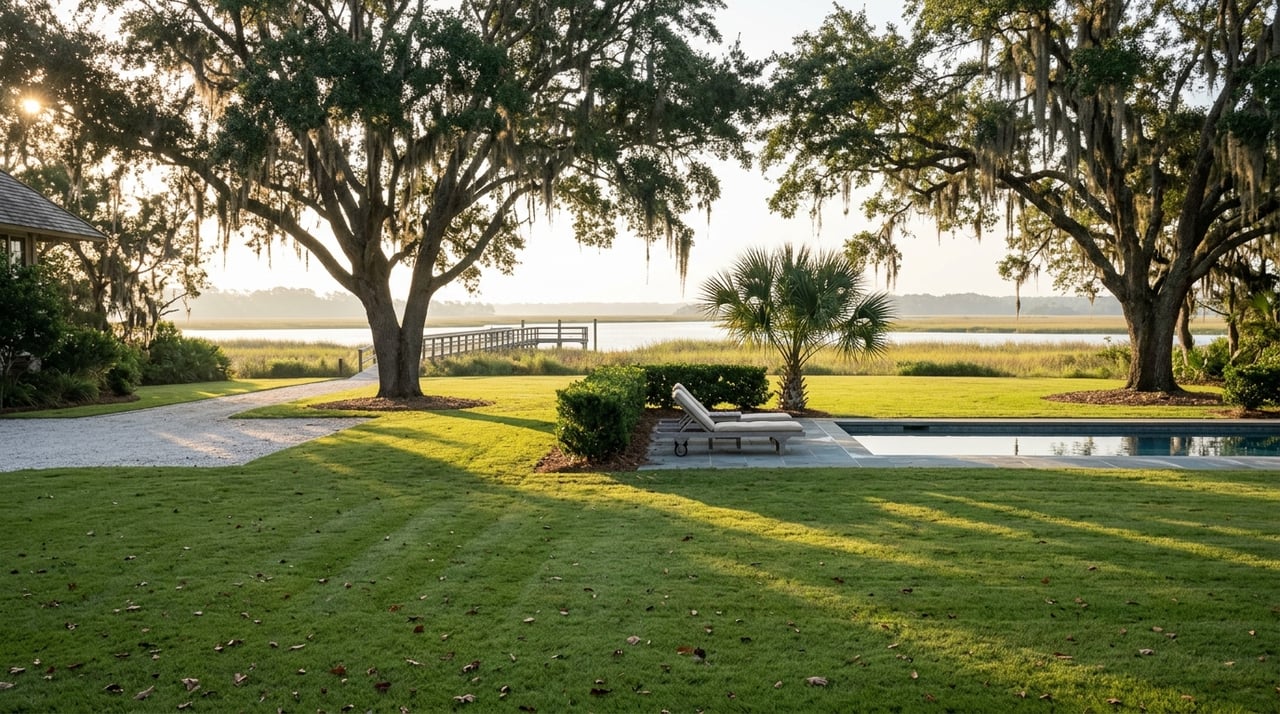
The DeBordieu List Price Is Only Half the Story
August 27, 2026
August 27, 2026
A recent listing inside the gates of DeBordieu Colony carried a line that most buyers skim right past: a Founders Golf Membership, grandfathered in, transferable to the new owner, and flagged with the seller's own exclamation point that it is "not available any more." Two homes on the same street, similar square footage, similar finishes, can carry two very different price tags once you account for what does or does not come with the keys. One buyer inherits full golf privileges at no additional cost. The next buyer, on the identical floor plan two doors down, may need to write a separate six-figure check to the club just to play the same seventeenth hole.
That gap almost never shows up in a median price comparison. It is the kind of detail that only surfaces once you are far enough into a transaction to be reading the fine print, and it is exactly the kind of detail worth understanding before you get there.
As of mid-July 2026, DeBordieu Colony had 27 homes listed, a median list price around $1,875,000, and an average price of roughly $602.67 per square foot. Homes were sitting on the market for an average of 118 days.
That last number is the one worth pausing on. In most luxury coastal markets, 118 days signals hesitation or overpricing. In DeBordieu, it more likely reflects the extra homework a serious buyer has to do. This is not a community where you compare granite and closet space and make an offer by the weekend. You are also pricing in a membership decision and, depending on where the lot sits, a shared beach maintenance obligation that has nothing to do with the house itself.
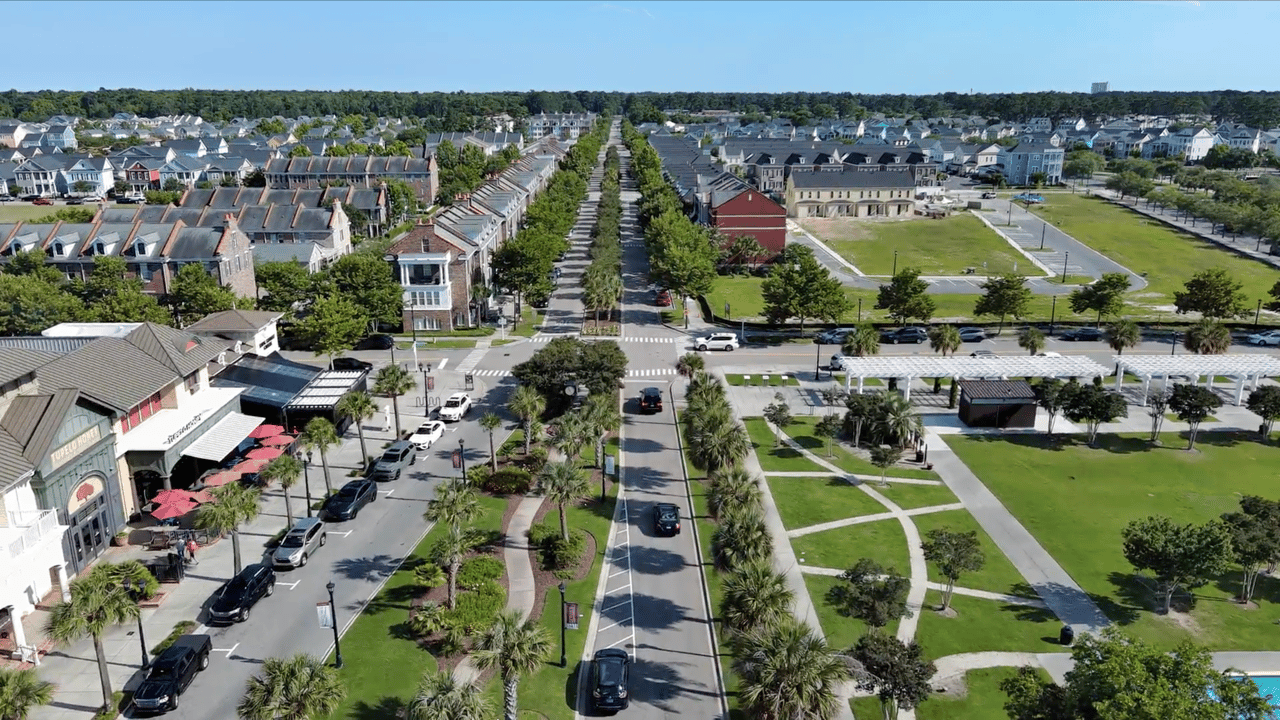
DeBordieu is a private, gated 2,700 acre community about three miles north of Georgetown and six miles south of Pawleys Island, built around a rice plantation history that predates the Civil War. Local lore traces the name back to the Marquis de Lafayette, who is said to have taken one look at the land in 1777 and called it "the borderland of God," a phrase that eventually softened into the local pronunciation Debidue. The land later passed through the hands of the so-called "Bromo-Seltzer King," Dr. Isaac Emerson, and the Vanderbilt family before becoming the private colony it is today. It is a good story, and it is also a reminder that this has never been a mass-market subdivision. Everything about the ownership structure, including the parts that cost money, was built for a smaller and more selective pool of owners from the start.
Here is the part that catches relocating buyers off guard most often: owning a home in DeBordieu Colony does not automatically make you a member of DeBordieu Club. The club, with its Pete Dye and P.B. Dye designed championship golf course, its Har-Tru tennis courts, and its oceanfront Beach Club, operates as a separate, optional membership on top of the real estate.
The club offers four membership tracks, and which one fits depends entirely on how you actually plan to use the property:
| Tier | Best fit for |
|---|---|
| Golf | Buyers who want regular access to the 7,284-yard championship course |
| Sports | Buyers who want golf plus tennis, pickleball, and fitness without full social overhead |
| Tennis | Buyers focused on the eight Har-Tru clay courts and separate pickleball courts |
| Beach Social | Buyers who want the oceanfront Beach Club, dining, and pool without golf |
Initiation costs vary by tier and have been reported anywhere from roughly $50,000 on the lower end to more than $90,000 for full golf access, with quarterly dues on top. That is a meaningful line item that a median home price tells you nothing about, and it is one reason two buyers can walk away from DeBordieu with very different total costs even after negotiating identical purchase prices.
This is where the Founders Membership detail from the opening becomes useful rather than anecdotal. A small number of homes in DeBordieu still carry legacy memberships that were established years ago under older club terms and remain transferable to a new owner at no additional initiation cost. As those original members sell and move on, the pool of transferable memberships shrinks, and the listings that still carry one become genuinely scarcer than the square footage numbers suggest.
If you are comparing two homes in DeBordieu that look nearly identical on paper, the presence or absence of a transferable membership can be worth tens of thousands of dollars in avoided initiation fees, plus the practical value of walking onto the course or into the Beach Club on day one instead of waiting on a membership application. It is worth asking directly, in writing, whether a membership is attached to the property or held personally by the seller, because those are two very different things and the listing sheet does not always make the distinction obvious.
The second cost that rarely makes it into a casual comparison is the community's beach preservation program, and it is worth understanding because it is structured in a way that treats owners unevenly.
DeBordieu's 6.5 miles of oceanfront have not eroded evenly. The south end of the beach has faced chronic, well-documented erosion for decades, serious enough that the DeBordieu Colony Community Association built a seawall there in 1981 and, more recently, secured state approval for a project placing up to 650,000 cubic yards of sand and three groins along that stretch. In 2017, property owners approved a Beach Preservation Fund that raises roughly $1.9 million a year over 17 years, a commitment that runs into the mid-2030s. None of it is funded by tax dollars. It comes entirely from an assessment shared across the ownership base.
Meanwhile, the community's economic footprint is substantial enough to matter to the whole county. An economic impact study cited by the DeBordieu Colony Community Association put the community's annual economic impact on Georgetown County at $220 million and roughly 2,864 supported jobs, and DeBordieu's general manager has stated that the community accounts for about 10 percent of the county's tax base.
Here is the asymmetry worth understanding before you buy: an owner on the healthy, wide north end of the beach pays into the same preservation fund as an owner on the eroding south end, even though only one of them is actually watching the ocean approach their foundation. During the height of the erosion dispute, several south end homeowners went a step further and installed emergency sandbags behind the seawall, which triggered its own separate regulatory fight at the state level before the homeowners were allowed to keep them in place. That is a cost and a headache that a north end buyer, paying into the identical fund, will likely never encounter.
None of this makes DeBordieu a bad investment. It makes it a community where the shared assessment covers the collective beach, but not the individual exposure, and that distinction is worth understanding before you fall in love with a particular lot.
Is club membership required to buy a home in DeBordieu? No. Club membership is optional and sold separately from real estate. Some homes carry a transferable membership as part of the sale, but most require a new membership application through the club.
Do all DeBordieu owners pay into the beach preservation fund, or just oceanfront homeowners? The Beach Preservation Fund has historically been structured as a community-wide assessment across the ownership base, not limited to oceanfront lots, even though the erosion itself is concentrated at the south end of the beach.
Why does average days on market run higher in DeBordieu than in other Grand Strand luxury communities? Part of it is simply the pace of a smaller, more selective inventory pool. Part of it is that serious buyers are working through membership and assessment questions that a typical single-family purchase elsewhere on the Grand Strand does not involve.
If you are weighing DeBordieu against another gated or golf community along the Grand Strand and want a clear-eyed read on what a specific listing actually includes before you fall for the view, I would rather walk you through the membership status and assessment history up front than have you discover it during due diligence. Megan Parker knows this market from the inside. Let's Connect.
From buying and selling to real estate investing, Megan Parker delivers trusted guidance, local market expertise, and personalized solutions tailored to your goals. Her client-focused approach ensures a smooth, successful experience at every stage of your real estate journey.