
Myrtle Beach Property Fraud Alerts: Free Protection
November 7, 2026
November 7, 2026
You can own a home in Myrtle Beach for twenty years, pay the mortgage on time, keep the property insured, and never think twice about the documents sitting in the county's land records.
Most homeowners don't have a reason to revisit those records after closing. The deed is recorded, the keys are handed over, and life moves on.
But what happens if someone records another document using your name?
A fraudulent deed, an unauthorized mortgage, or a questionable lien might appear in public records without the rightful owner receiving a personal notification.
That's precisely the concern behind two free services now available to property owners in Horry and Georgetown Counties. Both counties offer property recording alerts that notify subscribers when documents matching their registered names are recorded.
For homeowners along the Grand Strand, it's a simple safeguard worth understanding.
Real estate fraud doesn't always involve someone physically entering a property or pretending to be a homeowner in person.
Some schemes involve forged signatures and fraudulent paperwork intended to make it appear that a property has been transferred or used to secure a loan.
Consider someone who owns a vacant lot in Pawleys Island but lives full-time in Charlotte. The lot is paid for, the property taxes are current, and there's no immediate reason to check the deed records.
If someone attempted to record a fraudulent deed involving that property, the owner might not learn about it until a future transaction, title search, or other complication brings the document to light.
Recording a document doesn't automatically make a fraudulent transaction legally valid. But having an unauthorized document in the public record can create problems that require legal assistance to resolve.
This is why property-recording alerts are useful. They create an opportunity to discover suspicious activity sooner.
The Horry County Register of Deeds provides a free service that monitors newly recorded documents for names selected by the subscriber.
It's called the Recording Notification Service, and it allows residents and property owners to receive email alerts when a document is recorded using a name they've registered.
The service covers Horry County, which includes Myrtle Beach, North Myrtle Beach, Surfside Beach, Conway, Carolina Forest, and much of the surrounding Grand Strand.
To enroll:
There's no charge to enroll.
One detail deserves particular attention: Horry County's system is sensitive to the exact names entered.
For example, a document indexed under "John A. Smith" might not match a subscription entered as "John Smith Jr."
Property owners can register multiple variations of their names to improve the likelihood of receiving relevant alerts. If a property is held by an LLC or another entity, its recorded name may also need to be monitored.
The goal is to monitor the names that could appear in documents associated with your real estate.
The county's service sends notifications after matching documents are recorded. It does not block the filing itself.
Georgetown County provides a similar Property Fraud Alert service through its Register of Deeds.
This is particularly relevant for owners in Pawleys Island, Litchfield Beach, Georgetown, DeBordieu, and the Georgetown County portions of the Murrells Inlet area.
The county's system monitors recorded documents for registered individual or business names and notifies subscribers when a match is found.
In April 2026, Georgetown County expanded the service to include optional text-message notifications in addition to email alerts.
That means property owners can choose to receive notifications through more than one communication method.
To enroll, visit the Georgetown County Register of Deeds and follow the Property Fraud Alert registration link.
If you've already enrolled and want text alerts, the county has published instructions for updating your registration.
There is no subscription fee.
Along the Grand Strand, a substantial part of the real estate market revolves around second homes, vacation properties, investment condominiums, and land purchased for future construction.
Many of these owners live outside South Carolina for much of the year.
A homeowner in Market Common may pass the property every afternoon. Someone who owns a lot in Prince George or a vacation condominium in North Myrtle Beach might visit only a handful of times annually.
Physical distance doesn't necessarily make a property more likely to experience fraud, but it can make unusual activity less noticeable.
Vacant land and properties without mortgages can be attractive targets for certain types of fraudulent transfer schemes. With fewer day-to-day interactions involving the property, an owner may have less reason to discover unauthorized paperwork quickly.
And a vacant lot doesn't have to be particularly valuable to create a serious problem for its rightful owner.
Property alerts offer a way to monitor recording activity without repeatedly searching public records.
An unexpected recording notification does not automatically mean someone is attempting to steal your property.
Documents are recorded for legitimate reasons all the time. Mortgage satisfactions, refinances, liens, deeds, and other legal instruments routinely become part of the public record.
Some notifications may also involve another person or business with a similar name.
If an alert arrives, begin by reviewing the document information and determining whether the recording is familiar.
If the document appears suspicious:
The Register of Deeds maintains the public record, but it generally cannot provide legal representation or resolve an ownership dispute on behalf of a homeowner.
The sooner a questionable filing is discovered, the sooner the owner can seek appropriate assistance.
No, and the distinction matters.
Title insurance is generally purchased in connection with a real estate transaction and provides coverage for certain title-related risks under the terms of the policy.
Property-recording alerts are monitoring tools. They notify subscribers when matching documents enter the public record.
An alert service doesn't investigate every filing, guarantee that fraud will be detected, or provide financial compensation if a problem occurs.
Likewise, title insurance should not be assumed to cover every type of fraud that may arise after closing. Coverage depends on the policy and its provisions.
Homeowners may also encounter advertisements for paid title-monitoring services. Before paying for one, it's worth understanding which functions are already available through the county at no cost.
The free county services are a practical starting point.
Does Horry County charge for deed fraud alerts?
No. Horry County's Recording Notification Service is free. You can enroll through the county's official registration website using your email address and the names you want monitored.
Can I sign up if I own a second home but live in another state?
Yes. You don't have to live in South Carolina full-time to register for notifications associated with property you own in Horry or Georgetown County. The services can be particularly convenient for owners who spend much of the year elsewhere.
What if my property is owned by an LLC or a trust?
Horry County allows business names to be registered for monitoring. Use the appropriate recorded ownership name and consider any applicable name variations. Georgetown County also offers monitoring for individual and business names. Contact the relevant Register of Deeds for guidance on unusual ownership structures.
Will the alerts stop someone from recording a fraudulent deed?
No. The alerts are sent after a matching document is recorded. Their purpose is to help you identify potential problems quickly so that appropriate action can be taken.
Do I need to enroll separately for Horry County and Georgetown County?
Yes. The counties maintain separate land records and offer separate notification systems. If you own properties in both counties, register with each service.
Can I register if I haven't purchased a property yet?
Horry County's system monitors registered names rather than requiring a property purchase during sign-up. If you're researching a future purchase, it's useful to know that the service exists. Once you own property, you can confirm the exact recorded ownership name and set up monitoring accordingly.
Does this service replace having a real estate attorney?
No. Property alerts help identify recorded activity. If a dispute over ownership, a forged deed, or an unauthorized lien arises, a qualified real estate attorney can evaluate the circumstances and advise on the available legal remedies.
A real estate closing involves an extraordinary amount of paperwork, and most of it eventually ends up filed away somewhere safe.
The deed itself becomes part of the public record. That's what establishes an official record of the transaction and allows future buyers, lenders, attorneys, and researchers to examine a property's ownership history.
But the public record doesn't stop changing once you own the property.
New documents can continue to be recorded, and it's worth knowing when your name appears on one.
Grand Strand Law Group, a local real estate closing firm, has been sharing information about these free county notification services with homeowners. It's a useful reminder that protecting a property doesn't end when the closing documents are signed.
Whether you own a primary residence in Myrtle Beach, a vacation home in Litchfield, or land you've been holding for the future, enrolling in the applicable county's free recording notification service is worth considering.
As a second-generation Myrtle Beach Realtor, I believe understanding real estate ownership includes the responsibilities and details that follow the purchase.
If you're considering buying, selling, or investing along the Grand Strand, I'm always happy to help you explore your options and understand the local market.
Learn more at Myrtle Beach Megan.
Information current as of November 2026. Property-recording notification services are monitoring tools and do not guarantee prevention or detection of fraud. This article is for general information and is not legal advice.

A new sales tax begins May 2027, with property tax credits planned for homeowners, second-home owners, and other property taxpayers across Georgetown County.
Myrtle Beach Real Estate Tips
How to protect your coastal property with free deed monitoring alerts in Horry and Georgetown Counties before a costly surprise catches you off guard.
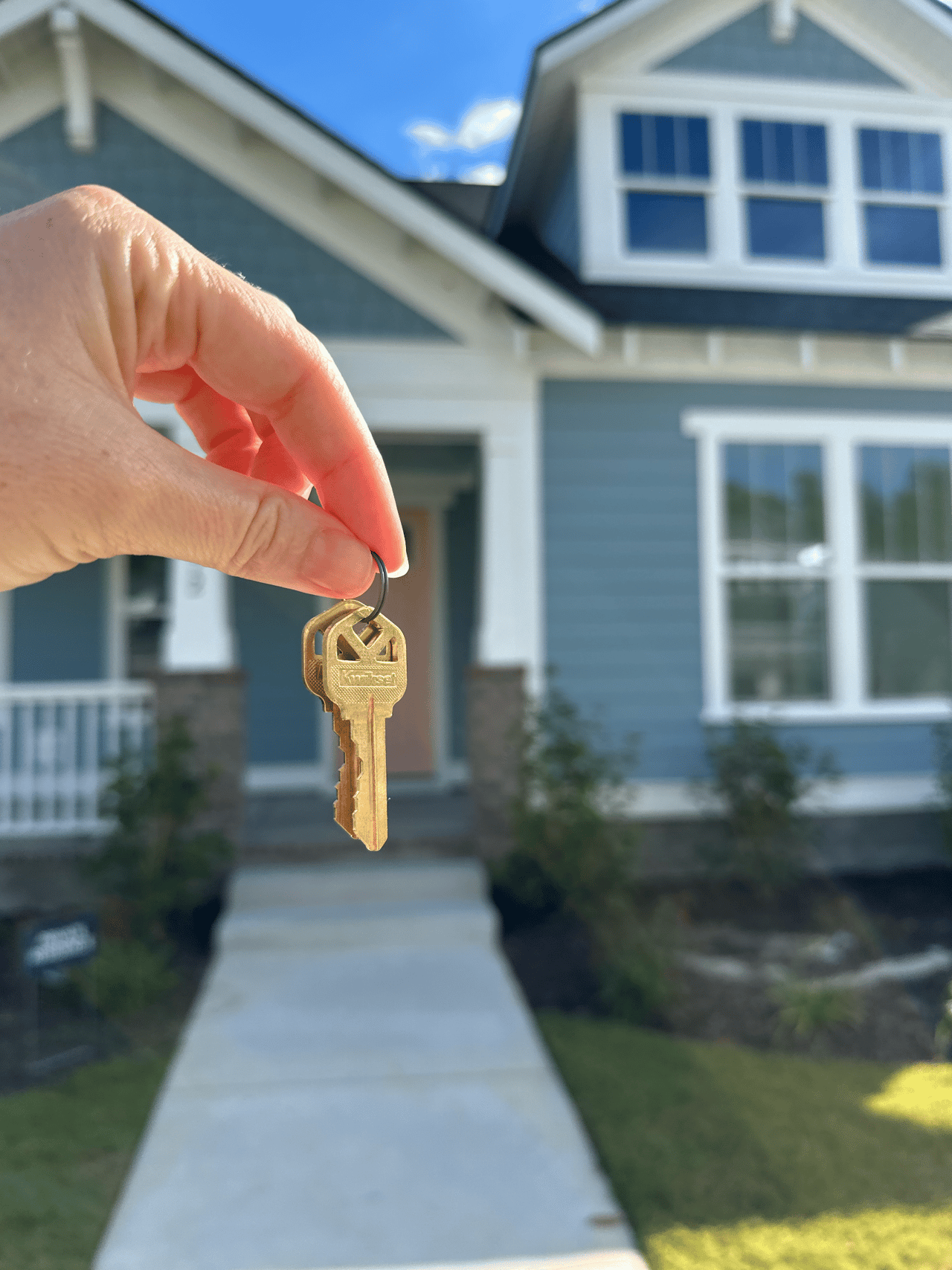
How one simple application could save Myrtle Beach homeowners thousands in property taxes each year.




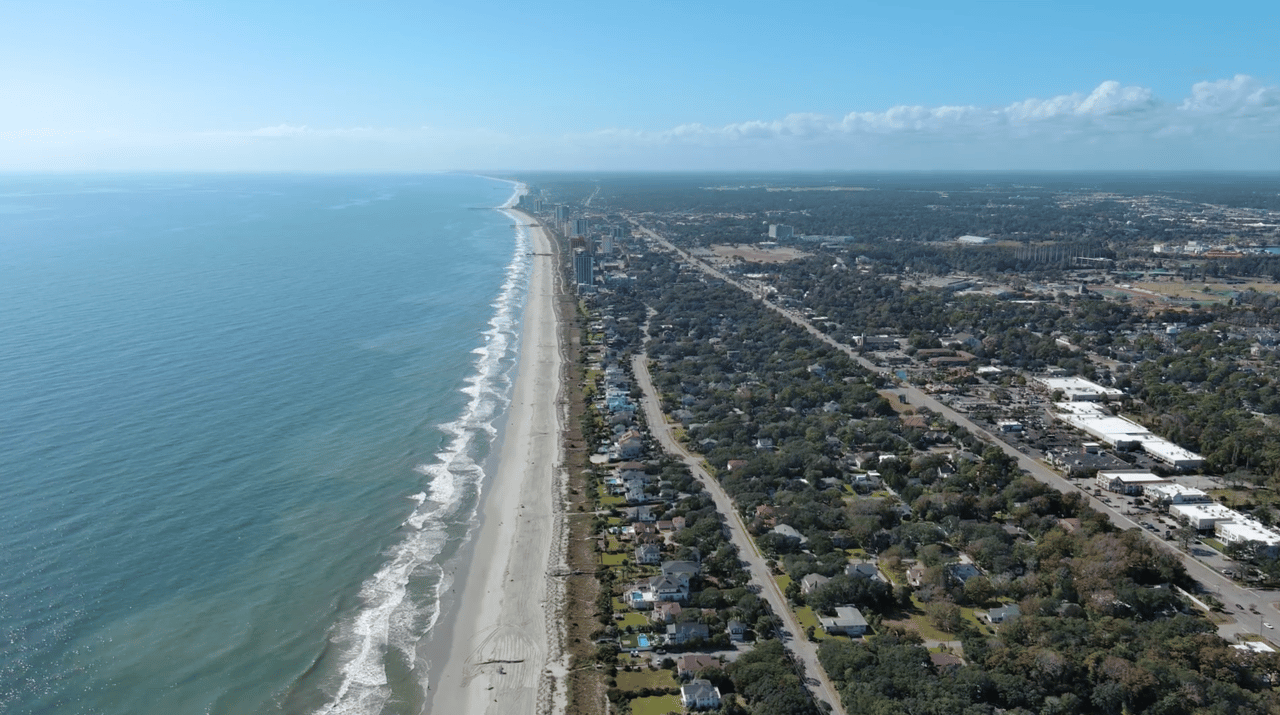
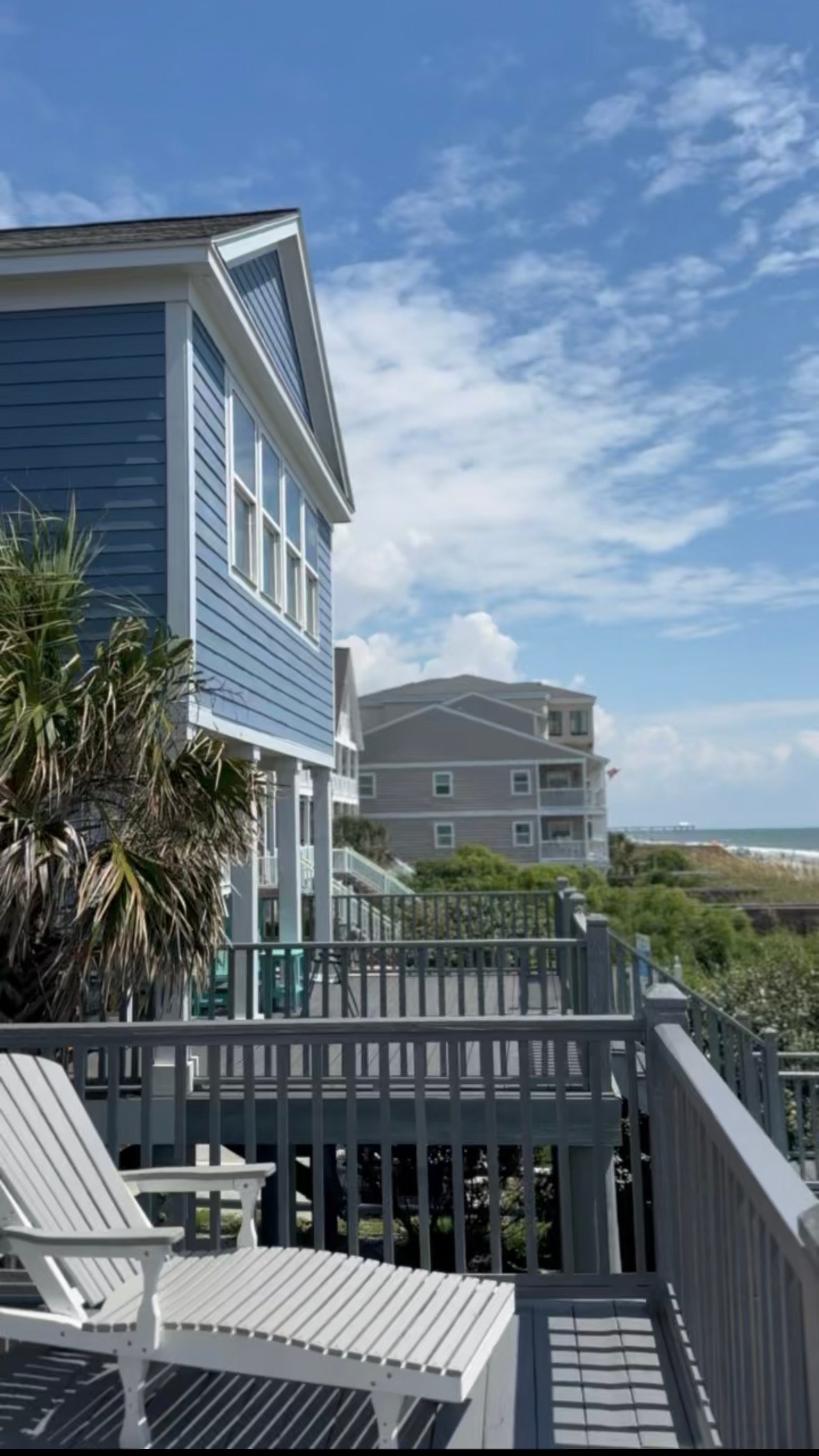
From buying and selling to real estate investing, Megan Parker delivers trusted guidance, local market expertise, and personalized solutions tailored to your goals. Her client-focused approach ensures a smooth, successful experience at every stage of your real estate journey.