
Top Luxury Home Selling Mistakes to Avoid
September 12, 2026
September 12, 2026
A waterfront home can be beautifully maintained, impeccably furnished, and still miss the market if its story is not handled with precision. The top luxury home selling mistakes rarely come down to one dramatic misstep. More often, they are a series of small decisions that make a discerning buyer pause, question value, or move on to the next property.
On the Grand Strand, buyers are not simply comparing bedrooms and square footage. They are weighing view corridors, water depth, dock conditions, club structures, insurance considerations, renovation quality, and the particular lifestyle a property supports. Selling well means answering those questions before they become objections.
A home can hold decades of family memories, thoughtful improvements, and a view that feels irreplaceable. Those things matter. They do not, however, automatically translate into a price the current market will support.
Luxury pricing is especially nuanced in places such as Grande Dunes, DeBordieu Colony, Prince George, Murrells Inlet, and Pawleys Island, where two homes with similar square footage can have very different appeal. One may offer a better ocean view, a more useful waterway orientation, a newer seawall, a conveyable boat slip, or a membership structure that changes the ownership equation. There may be no clean comparable sale to simply copy.
The mistake is choosing a price based on the highest nearby listing, an old appraisal, or what an owner needs from the sale. A thoughtful strategy considers recent sales, active competition, buyer behavior, property condition, and the features that truly separate the home from its alternatives. Sometimes that supports a premium. Sometimes it calls for a more disciplined opening position.
An ambitious price can feel protective at first, but a stale listing invites harder questions later. The goal is not to leave money on the table. It is to enter the market with enough credibility to attract serious attention when the home is freshest.
A few bright interior photos and a property description full of adjectives are not a marketing plan. Affluent buyers often begin their search from Charlotte, Atlanta, the Northeast, or the Midwest. Before they arrange a showing, they are deciding whether a home feels worth a flight, a drive, or a closer look.
That decision is visual, but it is also editorial. The presentation should show how the property lives: the arrival experience, the relationship between the main rooms and the water, the outdoor entertaining areas, the view at the right time of day, and the practical details that make the home function well.
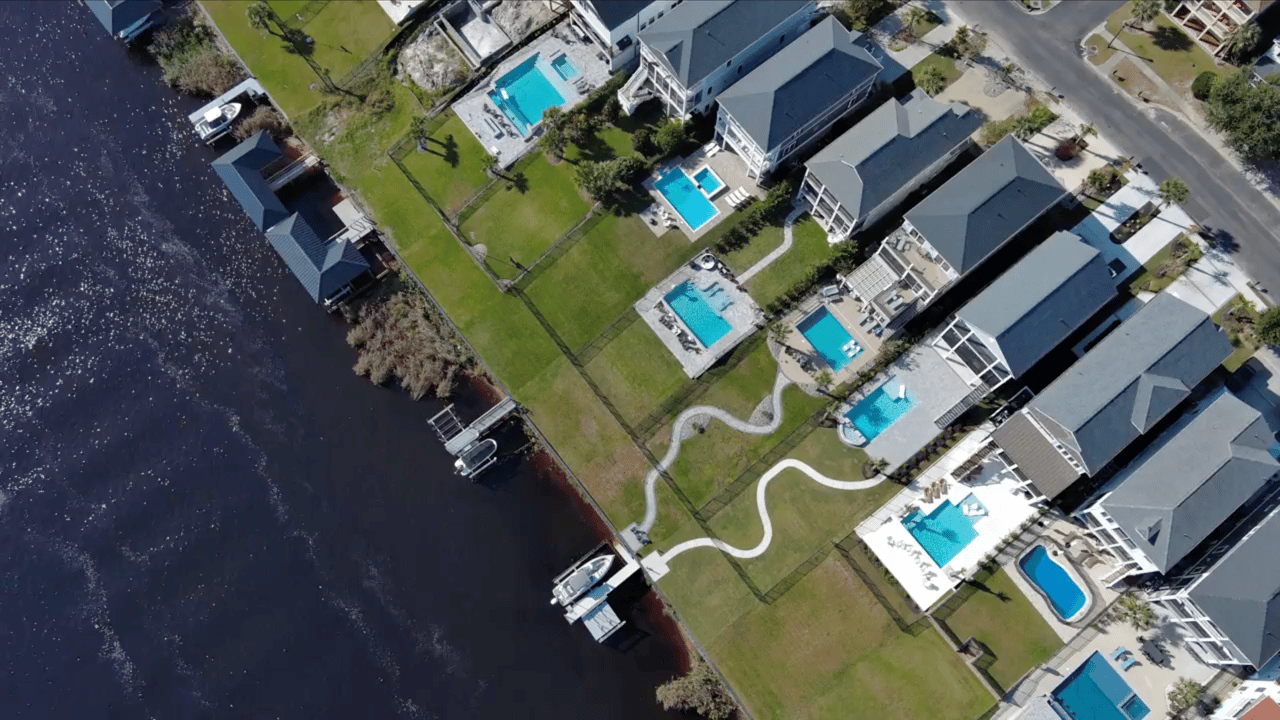
For an oceanfront residence, that may mean clarifying dune access, outdoor storage, pool placement, and how the house sits relative to the beach. For a deep-water or Intracoastal property, buyers need to understand the dock, lift, water access, and the connection between the home and the boating lifestyle. A golf-course or club property may need a more considered explanation of its course frontage, outdoor spaces, and membership options.
Overedited images create disappointment at the showing. Underproduced images allow a meaningful property to blend into the search results. The right approach is polished, accurate, and intentional. It should make a buyer feel the home without creating a version of it that does not exist.
The same applies to staging. Not every luxury residence needs to be emptied and rebuilt for the camera. But personal collections, oversized furnishings, dark rooms, and dated accessories can keep buyers from seeing the architecture. A selective edit often does more than a wholesale makeover.
One of the most expensive luxury home selling mistakes is assuming that waterfront details can be sorted out after a buyer falls in love with the view. Sophisticated buyers ask early questions, and they should.
Does the boat slip convey, lease separately, or require an additional agreement? What is known about dock condition, lift capacity, water depth, and access at different tides? Are there permits, surveys, elevation certificates, insurance records, community documents, or seawall information that should be organized? Is club membership available, required, optional, transferable, or subject to separate approval and fees?
A seller does not need to make legal, insurance, survey, or permitting conclusions. Those matters require appropriate professional verification, including guidance from an attorney, insurance professional, surveyor, and, when relevant, SCDHEC/OCRM. But a seller should gather the records and identify the questions early.
This is particularly valuable for homes near the ocean, marsh, Waccamaw River, or Intracoastal Waterway. Clear documentation does not eliminate due diligence. It gives a serious buyer a cleaner path to it.
Discretion matters in luxury real estate, especially for estate properties, second homes, and sellers who prefer not to invite broad attention. Yet discretion should not be confused with invisibility.
A property can be marketed selectively while still reaching qualified buyers through a carefully managed strategy. In some cases, a private or off-market approach is appropriate. In others, broader exposure creates the competition needed to support the strongest terms. The best choice depends on the home, the seller's priorities, timing, and the likely buyer pool.
The mistake is deciding that privacy means no preparation, no photography, no positioning, and no plan for how a buyer will encounter the property. Even a discreet sale needs a clear narrative, accurate materials, and a process for vetting interest without creating unnecessary disruption.
Luxury buyers are not expecting a house to be new. They are looking for evidence that it has been cared for with intention. A loose railing, fogged window, tired exterior paint, deferred dock maintenance, or an HVAC system with no service documentation can make buyers wonder what else they have not yet seen.
Before launch, walk the property as a buyer would. Start at the street or gate, move through the entry, and continue all the way to the pool, bulkhead, dock, beach walkover, garage, and mechanical areas. The view may be the emotional hook, but condition shapes confidence.
Not every issue should be repaired. A buyer may prefer to choose finishes or undertake a larger renovation on their own terms. What matters is distinguishing between an intentional opportunity and a distracting maintenance concern. If the property is being sold in its present condition, price and present it accordingly rather than hoping buyers will mentally discount every project with perfect accuracy.
A beautiful listing cannot perform if qualified buyers cannot see it. This is one of the quieter top luxury home selling mistakes, and it is common with second homes that are occupied only occasionally or used heavily by family and guests.
Reasonable notice and privacy boundaries are entirely fair. Still, sellers benefit from a showing plan that accommodates the realities of an out-of-market buyer. A buyer may have one weekend on the coast, a narrow window between meetings, or a last-minute opportunity to tour several properties. Repeatedly declining those requests can remove the home from consideration before a conversation ever begins.
The answer is not unlimited access. It is a workable process: clear showing instructions, a prepared property, and a decision-maker who can respond promptly when interest is credible.
At the luxury level, the headline price is only one part of the negotiation. Closing timeline, furnishings, art exclusions, repairs, inspection scope, dock equipment, club arrangements, possession, and contingency structure can all affect the real value of an offer.
A seller who focuses only on the largest number may overlook terms that create risk or unnecessary friction. Conversely, an offer below expectations may deserve a closer look if it has a strong financial profile, realistic due diligence terms, and a closing structure that fits the seller's next chapter.
This is where preparation pays off. Knowing in advance what stays, what goes, what records are available, and which terms matter most allows a seller to respond strategically instead of emotionally. Buyers can feel the difference between a thoughtful counteroffer and a reaction.
The easiest advice to hear is often the least useful: list high, wait for the perfect buyer, and let the home's beauty do the work. Coastal luxury properties deserve more respect than that.
A strong advisor should be able to explain the trade-offs plainly. That may mean recommending an early repair, a sharper price, better photography, more documentation, or a marketing approach that feels more deliberate than expected. It should also mean protecting a seller from unnecessary exposure, weak terms, and avoidable surprises.
Selling a meaningful home is personal. It can also be clear-eyed. When the presentation, pricing, and property details are aligned, buyers are free to focus on what drew them there in the first place: the water, the setting, and the possibility of making the home part of their own next chapter.


Events


From buying and selling to real estate investing, Megan Parker delivers trusted guidance, local market expertise, and personalized solutions tailored to your goals. Her client-focused approach ensures a smooth, successful experience at every stage of your real estate journey.