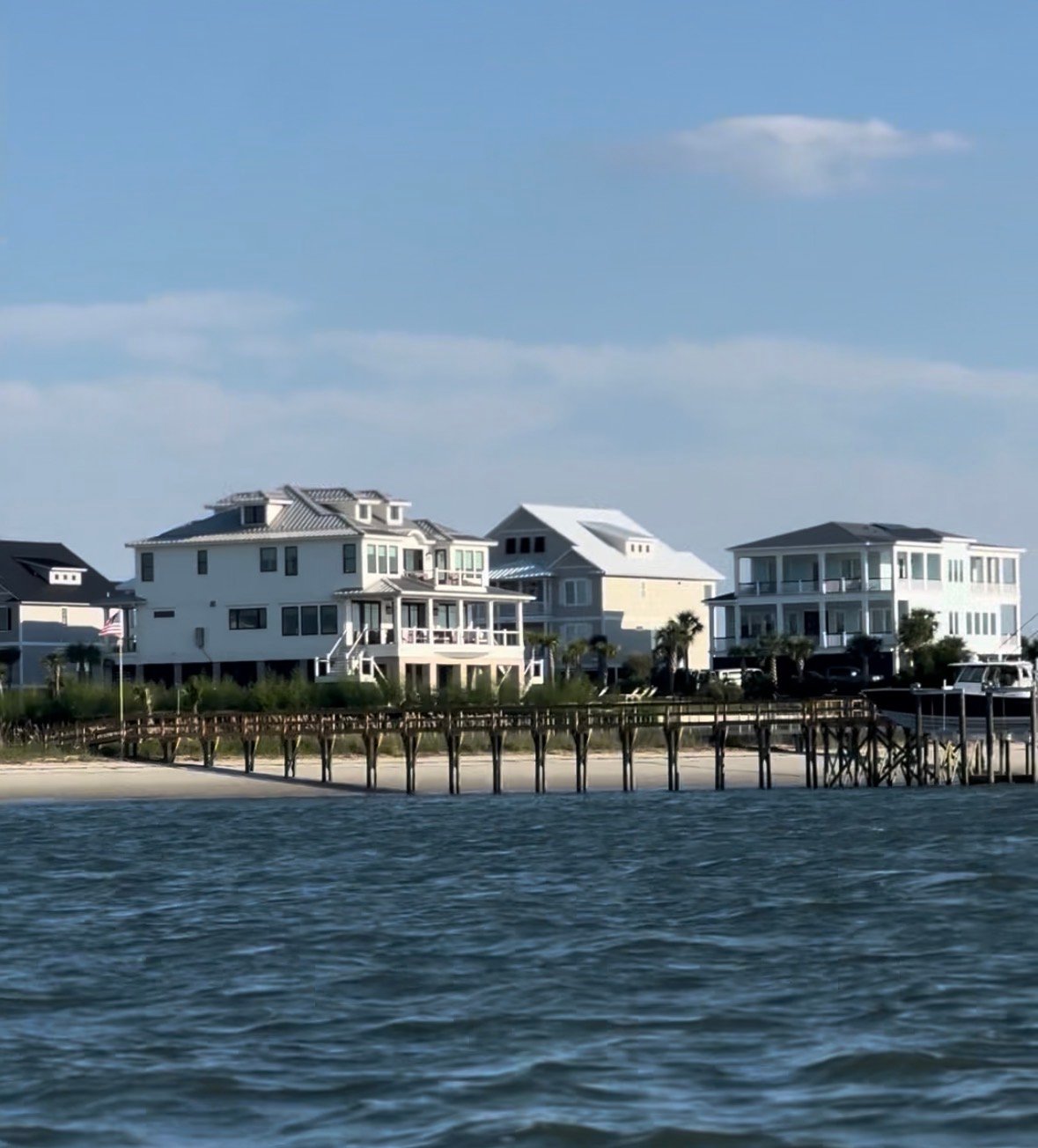
Waterfront Market Trends That Matter Now
September 19, 2026
September 19, 2026
A waterfront address can look compelling from the road, the dock, or a listing’s first photograph. But on the Grand Strand, the details beneath that view are increasingly what shape a smart decision. Current waterfront market trends are less about one broad market direction and more about a buyer’s ability to distinguish truly useful water access, manageable ownership costs, and a property that fits how they intend to live.
For an oceanfront owner weighing a sale, a boater comparing the Intracoastal Waterway with a creek-front setting, or a buyer considering a lot in Pawleys Island or Georgetown, that distinction matters. Waterfront is not a single category. It is a collection of very different ownership experiences, each with its own practical questions.
The strongest shift is toward specificity. Well-informed buyers are looking beyond the words “waterfront” and asking more precise questions: Does the dock convey? What is the current depth at the dock and along the route to open water? Is there a boat lift, and what vessel can it reasonably serve? Is a club membership optional, required, or subject to a separate approval process?
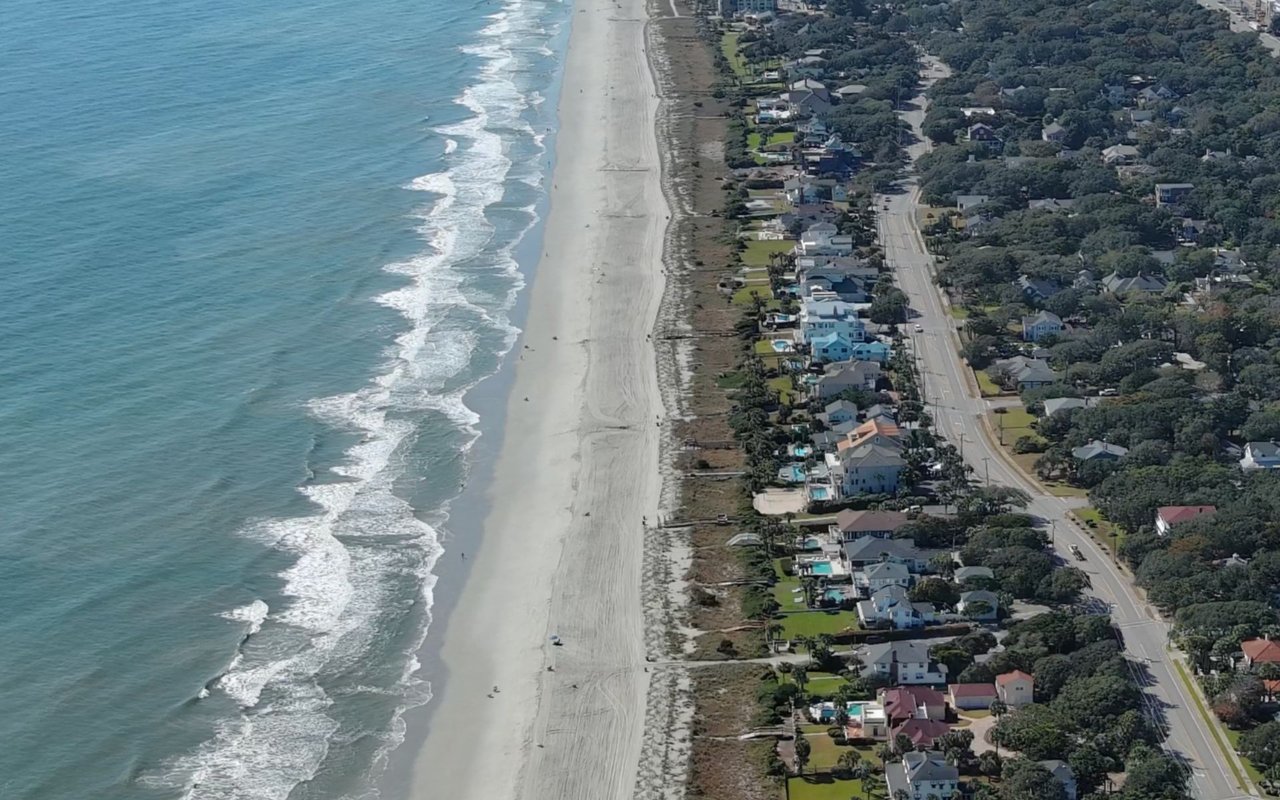
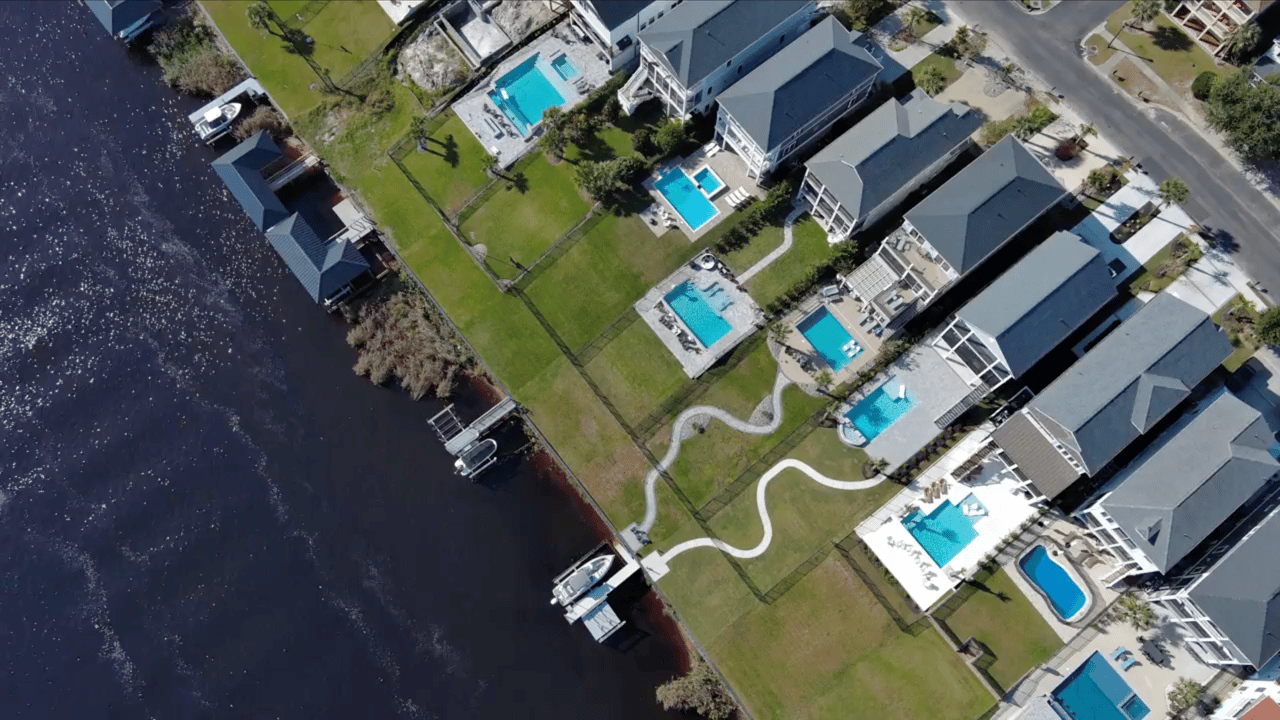
That is a healthy evolution. A home along the Intracoastal in Carolina Waterway Plantation serves a different purpose from an oceanfront residence in Litchfield Beach or a creek-front property near Murrells Inlet. Even two homes on the same stretch of water can have materially different access, exposure, insurance considerations, maintenance needs, and resale audiences.
For sellers, this means the old shorthand is no longer enough. A polished presentation still matters, of course, but it needs to be supported by accurate property intelligence. The buyer considering a significant coastal purchase is not merely buying a view. They are evaluating the full ownership equation.
Deep-water access remains a central priority for many coastal buyers, particularly those coming to the area with a boat already in mind. Yet “deep water” is a term that needs context, not a headline treatment. Tide, draft, bridge clearance, route conditions, dock configuration, and maintenance history all shape whether a property works for a particular use.
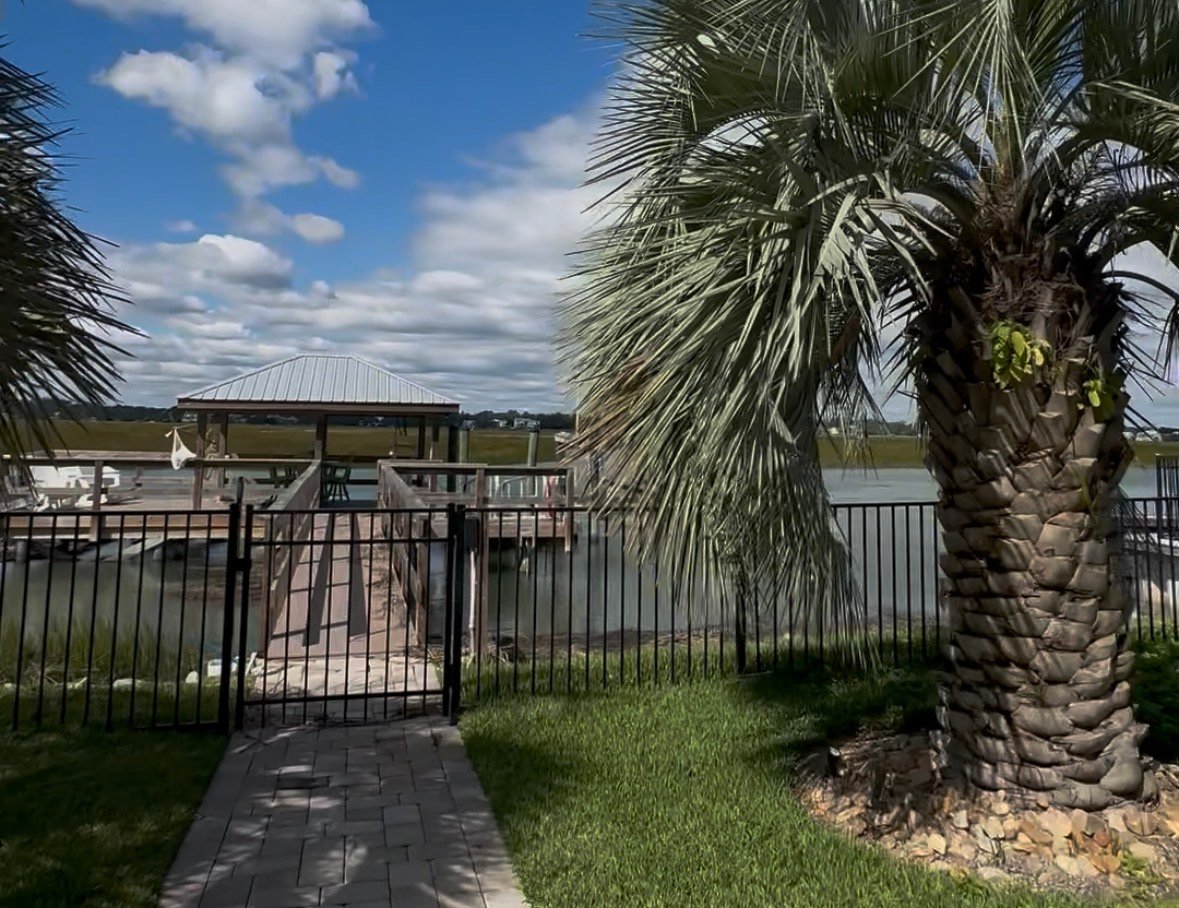
A private dock can be meaningful value, but the questions begin there. Buyers should confirm the dock’s dimensions, condition, ownership structure, permits, lift records, and any shared-access agreements. If a boat slip is involved, verify whether it conveys with the residence, is separately deeded, leased, assigned by an association, or subject to marina rules.
The same care applies to a waterfront lot. A view corridor or apparent dock location should not be treated as a promise of future use. A surveyor, land-use professional, and the appropriate SCDHEC/OCRM resources can help verify setbacks, critical-line considerations, dock feasibility, and other site-specific limitations before a buyer makes a decision based on assumptions.
This level of diligence does not make a waterfront purchase more complicated than it needs to be. It makes the decision clearer. A property with modest square footage but excellent, documented boating utility may be a better fit than a larger home with water views that do not support the owner’s intended lifestyle.
Insurance is no longer a last-minute line item. Sophisticated buyers are asking about it early, especially for oceanfront, marshfront, and low-lying properties. They want to understand flood-zone designations, elevation documentation, wind coverage, deductibles, exclusions, and the age and condition of major systems before the contract period is nearly over.
That does not mean every coastal property presents the same insurance profile. It means a buyer should avoid broad assumptions based on a map pin or a seller’s prior policy. Coverage availability and cost can vary by carrier, construction details, elevation, location, claims history, and policy terms. Buyers should obtain property-specific guidance from an experienced insurance professional and review relevant elevation certificates, surveys, and disclosures.
For sellers, preparation pays. When available records are organized early - roof age, window and door upgrades, elevation documents, prior mitigation work, and insurance information - a buyer can evaluate the property with more confidence. Confidence does not replace due diligence, but it can prevent a good conversation from getting stalled by avoidable uncertainty.
Coastal resilience belongs in that same discussion. Erosion, renourishment, dune systems, seawalls, bulkheads, drainage, and ongoing maintenance are not background details. They are part of coastal ownership. The right approach is measured: understand the property’s current condition, ask informed questions, and seek professional verification where needed.
Waterfront inventory can appear plentiful when all coastal property types are grouped together. That view can be misleading. An oceanfront condominium, a waterway estate with a private dock, a club-community home near a marina, and a buildable creek-front parcel do not compete in the same way.
This is why clean comparable sales can be difficult to find, particularly at the upper end of the market. A home’s position on the water, renovations, outdoor living areas, dock utility, lot orientation, and membership structure can affect value in ways that a standard square-foot comparison misses.
For a seller, pricing should reflect the property’s actual competitive set, not simply the nearest sales. A strategic pricing conversation may include current alternatives available to a buyer, the condition of the home relative to those alternatives, and the characteristics that cannot be recreated elsewhere.
For buyers, patience can be an advantage when the right criteria are clear. A buyer who knows whether they need direct water access, a protected dockage situation, ocean proximity, a private club structure, or low-maintenance lock-and-leave ownership can move with more conviction when a suitable property appears.
In communities such as Grande Dunes, DeBordieu Colony, The Reserve, Wachesaw Plantation, and Prince George, amenities and membership arrangements can be a meaningful part of the ownership experience. They can also be misunderstood when buyers receive only a surface-level overview.
The practical questions are straightforward: Is membership required or optional? What categories of membership are available? Are initiation costs, dues, food minimums, assessments, transfer rules, or waiting lists involved? Does a golf, marina, or social membership provide the access the buyer actually wants?
These details should be reviewed directly with the club and association, because terms can change and may be specific to a property or membership type. A beautiful home can still be the wrong fit if the ongoing structure does not align with how the owner intends to use it. There is no virtue in paying for an amenity package that will sit unused, and no reason to overlook one that genuinely adds to the rhythm of coastal life.
Sellers benefit from treating waterfront preparation as a fact-finding exercise, not just a staging exercise. Gather dock and lift information, surveys, elevation records, association documents, club details, maintenance history, and any transferable permits or agreements. Then present the home with the kind of visual polish that captures the setting while giving buyers a credible path to verify the particulars.
Buyers should build a decision framework before touring extensively. Decide which trade-offs are acceptable. Would you choose a larger home without a dock over a smaller one with direct boating access? Is oceanfront proximity more important than a protected waterway setting? Do you want a private club membership, or would you rather have flexibility outside that structure?
Those answers will often save more time than a longer property list. They also make negotiations more focused, because the buyer understands which features are essential and which are simply attractive.
The best waterfront decisions are rarely made from a postcard view alone. They come from pairing the emotional pull of the water with a clear-eyed understanding of access, carrying costs, property condition, and the rules that follow the shoreline. If you are considering a sale, purchase, or waterfront move along the Grand Strand, begin with the questions that matter after the first sunset. That is where confidence lives.


Events
From buying and selling to real estate investing, Megan Parker delivers trusted guidance, local market expertise, and personalized solutions tailored to your goals. Her client-focused approach ensures a smooth, successful experience at every stage of your real estate journey.