Myrtle Beach Housing Inventory: What Sellers Need to Know
November 16, 2026
November 16, 2026
A homeowner in Carolina Forest sees three new listings pop up in their neighborhood. Another homeowner in Market Common notices the house down the street has reduced its asking price. Meanwhile, someone selling an oceanfront condo is watching comparable units sit on the market longer than expected.
All three are looking at inventory. But they're not necessarily experiencing the same housing market.
That's something I wish more Myrtle Beach homeowners understood before making decisions based on real estate headlines.
When the number of homes for sale increases, buyers have more choices. Sellers may face more competition. But that doesn't automatically mean home values are falling or that every property needs a price reduction.
The number that matters most isn't how many homes are for sale across the Grand Strand. It's how many homes a buyer would reasonably consider instead of yours.
And the latest market data illustrates that distinction particularly well.
According to the Coastal Carolinas Association of REALTORS®, the broader Grand Strand market ended October 2026 with 7,090 properties available for sale.
That's down from 7,229 during the same period last year.
The median sales price increased from $365,000 to $370,000, while the number of closed sales declined from 1,466 to 1,380.
Grand Strand market indicator | October 2025 | October 2026 |
|---|---|---|
Available inventory | 7,229 | 7,096 |
Closed sales | 1,466 | 1,382 |
Median sales price | $365,000 | $371,000 |
Source: Coastal Carolinas Association of REALTORS®, October 2026 market statistics.
Those figures tell us that regional inventory is slightly lower than a year ago, fewer transactions closed, and the median sales price is modestly higher.
What they don't tell us is how a four-bedroom home in Carolina Forest compares with other four-bedroom homes in the same price range.
They also don't tell us whether a condo in North Myrtle Beach is competing against ten similar units or just two.
For a homeowner preparing to sell, those smaller comparisons are much more useful.
You can follow the latest regional figures directly through the Coastal Carolinas Association of REALTORS® market statistics.
The Grand Strand covers a surprisingly wide range of properties and lifestyles.
A buyer searching for a single-level home in Market Common isn't necessarily considering a two-story home in Conway. Someone looking for an oceanfront condo may have little interest in a detached home several miles inland.
Even within the same neighborhood, differences in lot size, floor plan, privacy, upgrades, and condition can change which homes compete with one another.
Consider a $500,000 home in Carolina Forest.
If there are twenty available properties in the general area, that sounds like significant competition.
But what if only four have a first-floor primary bedroom, a fenced backyard, and the square footage that buyer needs?
Suddenly, the relevant inventory looks very different.
The reverse can happen too.
A beautifully presented home may struggle if several nearly identical properties are offered for less money or include upgrades that would cost a buyer thousands to add.
That's why I don't believe broad inventory figures should determine a listing price on their own.
The better question is which homes your likely buyer will be touring alongside yours.
Supply and demand influence real estate prices, but the relationship isn't as simple as counting available homes.
Inventory can increase because more owners decide to sell. It can also increase because existing listings aren't going under contract as quickly.
Those are different situations.
If new listings rise while buyer demand remains healthy, the market may absorb the additional supply.
If listings accumulate because buyers are making fewer offers, sellers may need to reassess their expectations.
Price reductions, pending sales, closed sales, and days on market help explain what's happening beneath the inventory number.
I also pay attention to whether homes are selling near their original asking prices or only after adjustments.
A property that sells for $475,000 after starting at $525,000 tells a different story from one listed at $485,000 and sold for $475,000.
The final sale price might look similar in a market report, but the pricing strategy and time on the market weren't.
For sellers, understanding that distinction can prevent weeks of unnecessary frustration.
This is particularly relevant in developing parts of Carolina Forest, Conway, and other communities where builders continue adding inventory.
A resale homeowner may be competing with more than the house across the street.
They may also be competing with a builder offering a mortgage rate buydown, closing cost assistance, or discounted inventory.
Those incentives can influence how buyers compare properties.
But resale homes sometimes offer advantages that buyers would have to pay extra for with new construction.
An established property may already have a fence, mature landscaping, an extended patio, gutters, irrigation, window treatments, or garage improvements.
These features aren't always reflected in a basic square-footage comparison.
I've seen buyers initially attracted to a builder's advertised price reconsider once they calculate the cost of creating the same finished home.
I've also seen buyers choose new construction because the available incentives or floor plan made more sense for their circumstances.
For sellers, the lesson is to understand what nearby builders are offering and how your home compares once those details are accounted for.
Your resale competition may extend beyond other resale listings.
When buyers have more choices, the differences between competing properties become easier to notice.
Photography becomes more important because most buyers begin their search online.
So does the way a property is presented.
A beautiful home can be overlooked if the listing photos don't communicate the floor plan, natural light, outdoor spaces, or details that make it worth seeing.
I've spent years working in photography and creative direction, and one thing has remained consistent: buyers form impressions long before they walk through the front door.
The first photograph may determine whether they click on a listing at all.
But good presentation still needs to be paired with appropriate pricing.
A beautiful listing marketed significantly above comparable properties can attract attention without generating serious offers.
And a competitively priced home that hasn't been prepared or photographed properly may fail to communicate its value.
The goal is to help buyers understand why a particular property deserves a closer look.
That's especially important when they're comparing multiple homes from their phones, sometimes while still living hundreds of miles away.
Once a home is listed, the market begins providing useful feedback.
I pay attention to how the property performs compared with its direct competition.
That includes showing activity, online engagement, buyer comments, new listings, price reductions, and pending sales involving similar homes.
If competing properties are going under contract while yours receives little interest, it's worth investigating why.
Perhaps the asking price is out of alignment.
Maybe buyers are responding to the layout, lot placement, condition, or a particular expense associated with ownership.
Sometimes the listing simply isn't communicating the home's strongest features clearly enough.
I also look at the nature of the feedback.
One buyer saying a home feels too small doesn't establish a market trend. Several buyers raising the same concern may reveal something worth examining.
An absence of showings can be equally informative.
If buyers aren't requesting appointments, the issue may arise before they ever experience the property in person.
These observations help guide decisions based on market behavior instead of assumptions.
Not automatically.
A new listing in your neighborhood doesn't mean your property has lost value.
But when a directly comparable home enters the market at a more attractive price, it deserves attention.
Before recommending a change, I'd want to know:
A price adjustment should have a reason behind it.
Sometimes the most useful change involves presentation or making a feature more visible to buyers.
Other times, the evidence points toward price.
A home doesn't become more competitive simply because the seller has waited longer.
The right decision depends on the evidence available at that particular moment.
For buyers, greater inventory within a desired neighborhood or property category can create additional options.
They may have more opportunities to compare floor plans, lot locations, amenities, and asking prices.
Some sellers may become more willing to negotiate on price, repairs, or closing costs.
However, that flexibility shouldn't be assumed.
A desirable property with limited direct competition may still attract multiple interested buyers, even when regional inventory appears elevated.
Along the Grand Strand, buyers also need to compare recurring ownership costs.
Insurance premiums, HOA fees, property taxes, and condominium assessments can make two similarly priced properties very different financial commitments.
A lower asking price doesn't always mean a lower cost of ownership.
This is particularly important for people comparing oceanfront condominiums with single-family homes or new construction communities.
In a coastal market, location is about more than a ZIP code.
Two properties with Myrtle Beach mailing addresses may offer completely different lifestyles.
One may be within walking distance of restaurants and parks in Market Common. Another may have convenient highway access but require a longer drive to the beach.
Some buyers prioritize proximity to the Intracoastal Waterway. Others care more about golf cart accessibility, a private backyard, or avoiding an HOA.
Those preferences influence which listings compete with each other.
For waterfront and luxury properties, the differences can be even more pronounced.
An oceanfront home, marshfront property, and Intracoastal Waterway residence may sit in similar price ranges while appealing to different buyers.
Their valuation also requires attention to features that don't always show up in automated comparisons.
I've explored those differences further in Waterfront Market Trends That Matter Now and my Myrtle Beach real estate insights.
When evaluating a home's position in the market, understanding its particular buyer audience is essential.
Is Myrtle Beach housing inventory increasing in 2026?
It depends on the area and property type. The broader Grand Strand market reported 7,090 available properties in October 2026, approximately 1.9% fewer than in October 2025. However, individual neighborhoods and property categories can experience different inventory trends. Review the most relevant local figures rather than assuming the regional trend applies everywhere.
Does more inventory mean Myrtle Beach home prices are falling?
Not necessarily. Increasing inventory can create additional competition, but prices also depend on buyer demand and property characteristics. The broader market's October 2026 median sales price was $370,000, compared with $365,000 a year earlier. That doesn't mean every neighborhood or home type appreciated.
How do I know how many homes I'm actually competing against?
Start with active listings that closely match your home's location, property type, size, features, and price range. Then examine pending transactions, recent sales, price reductions, and days on market. A neighborhood-specific analysis is generally more useful than a regional listing count.
Should I wait to sell until there are fewer homes on the market?
That depends on your property, financial circumstances, and the level of competition within your price range. Waiting doesn't guarantee better market conditions. Inventory, buyer demand, financing costs, and competing listings can all change.
Do homes take longer to sell when inventory increases?
They can, particularly when buyer demand doesn't keep pace with available listings. But time on market varies considerably. Pricing, condition, marketing, location, and the number of directly comparable properties all influence how quickly a home attracts an offer.
Can buyers negotiate more when there are additional listings?
Sometimes. Buyers may have more leverage when comparable properties have remained available for longer periods or sellers have made repeated price reductions. However, well-positioned homes can still attract competitive offers.
Does new construction affect resale home values in Myrtle Beach?
It can influence buyer choices, particularly when builders offer incentives or completed inventory nearby. Resale homes may offer established landscaping, improvements, larger lots, or locations that aren't available in new developments. The actual comparison depends on the property.
What if I'm thinking about selling but haven't decided when?
It's useful to review current comparable sales and competing listings before committing to a timeline. That can help you understand your home's likely price range, what preparation might be worthwhile, and whether current inventory presents any unusual challenges.
If you're considering selling your home in Myrtle Beach, I'd begin with a simple question: What else can a buyer purchase for approximately the same amount of money?
From there, I'd look at the relevant sold properties, current competition, price reductions, and the characteristics that distinguish your home.
I would also consider how the property will be presented to buyers who may be unfamiliar with the neighborhood or relocating from another state.
Those buyers often need more context than a list of features and square footage.
As a second-generation Myrtle Beach Realtor with a background in photography and creative direction, I spend considerable time thinking about how homes are positioned within the market and how buyers experience a listing before scheduling a showing.
When inventory changes, that work becomes even more important.
If you're thinking about selling in Myrtle Beach, Market Common, Carolina Forest, Surfside Beach, Murrells Inlet, or anywhere along the Grand Strand, I'm happy to help you understand where your home stands against the competition.
Explore more at Myrtle Beach Megan.
Market statistics reflect October 2026 data reported by the Coastal Carolinas Association of REALTORS®. Regional statistics may include multiple property types and locations and should not be interpreted as a valuation of an individual property. Information current as of November 7, 2026.
More listings don't always mean falling prices. What's happening in your neighborhood and price range tells a much more useful story.
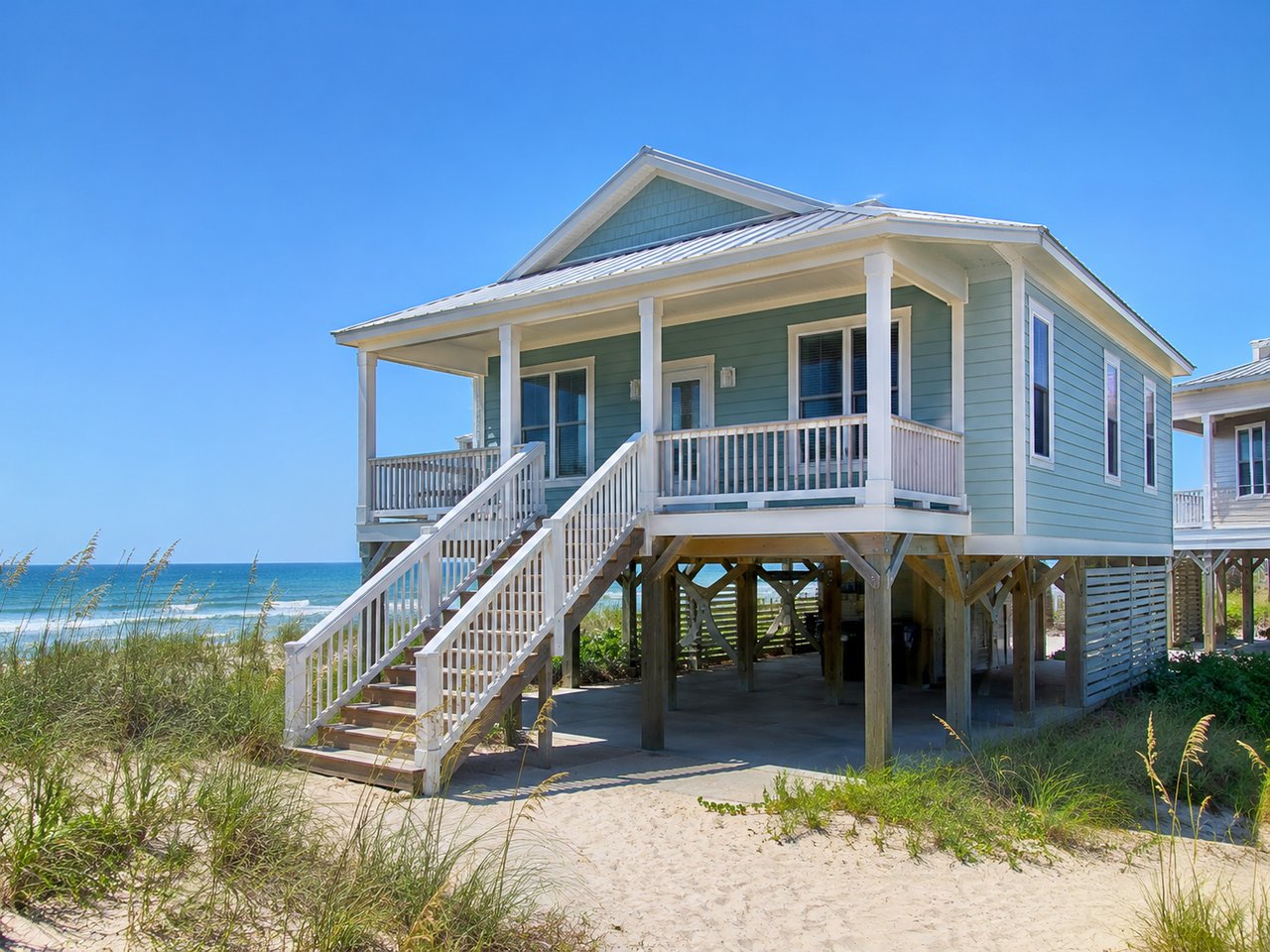
Two coastal homes can have the same price tag and very different insurance costs. Here's what buyers should know before making an offer.

Taxes, Fees and Rules
Registration, insurance, and the local rules that change from one Grand Strand town to the next, checked against the statute as amended in May 2026.

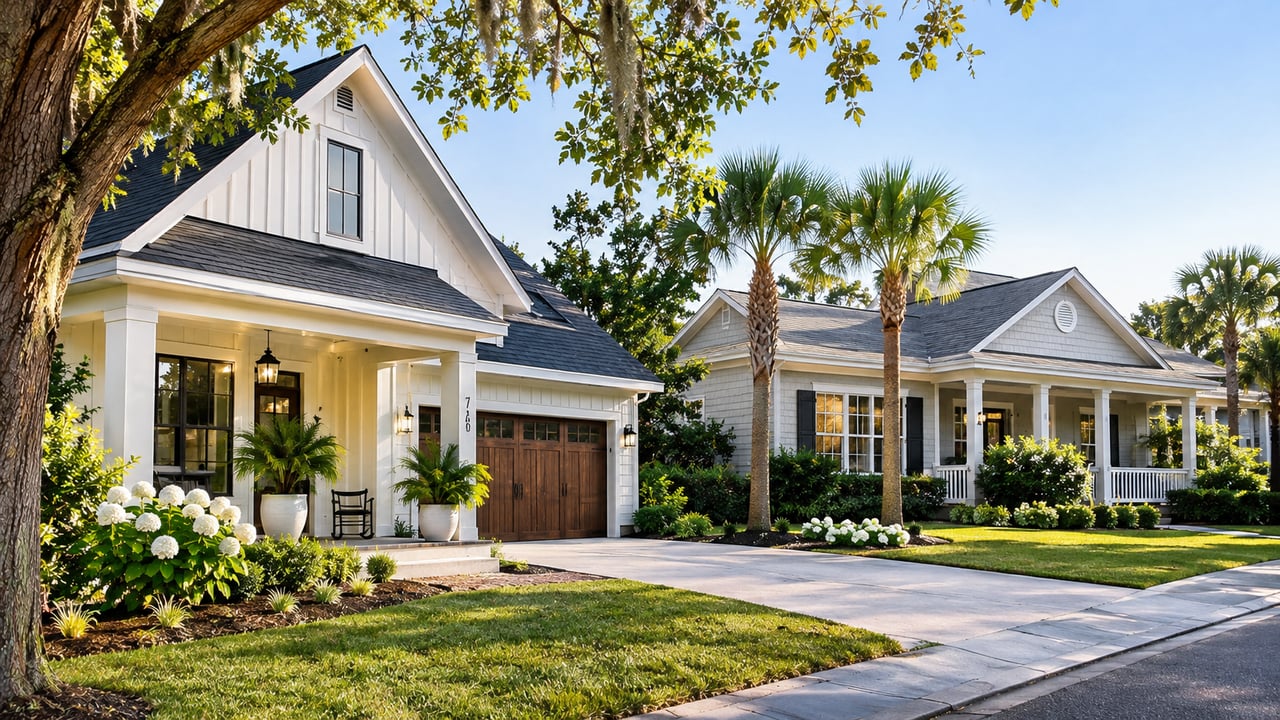
Builder incentives can be tempting, but established neighborhoods have advantages of their own. Here's how to compare the real cost of both.
Market Reports
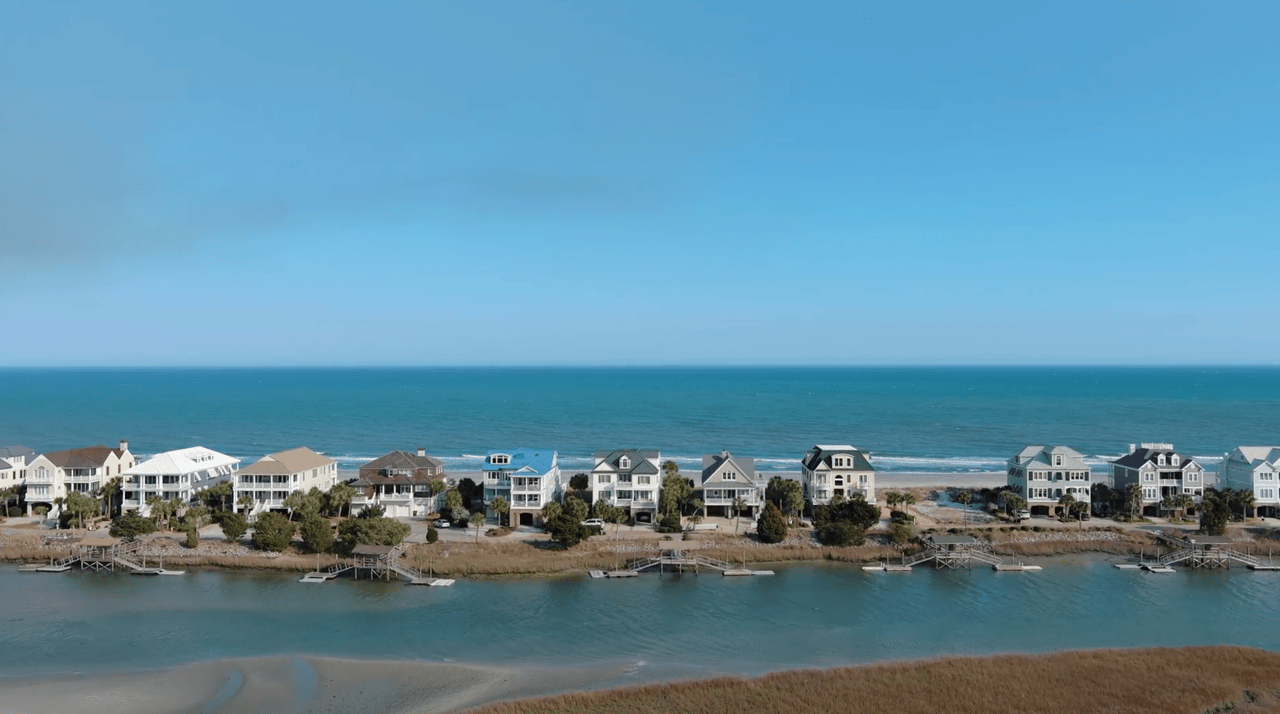
Through November 9, 10,322 single family homes sold, three more than last year, at an average price up 2.8% and four days faster.
Market Reports
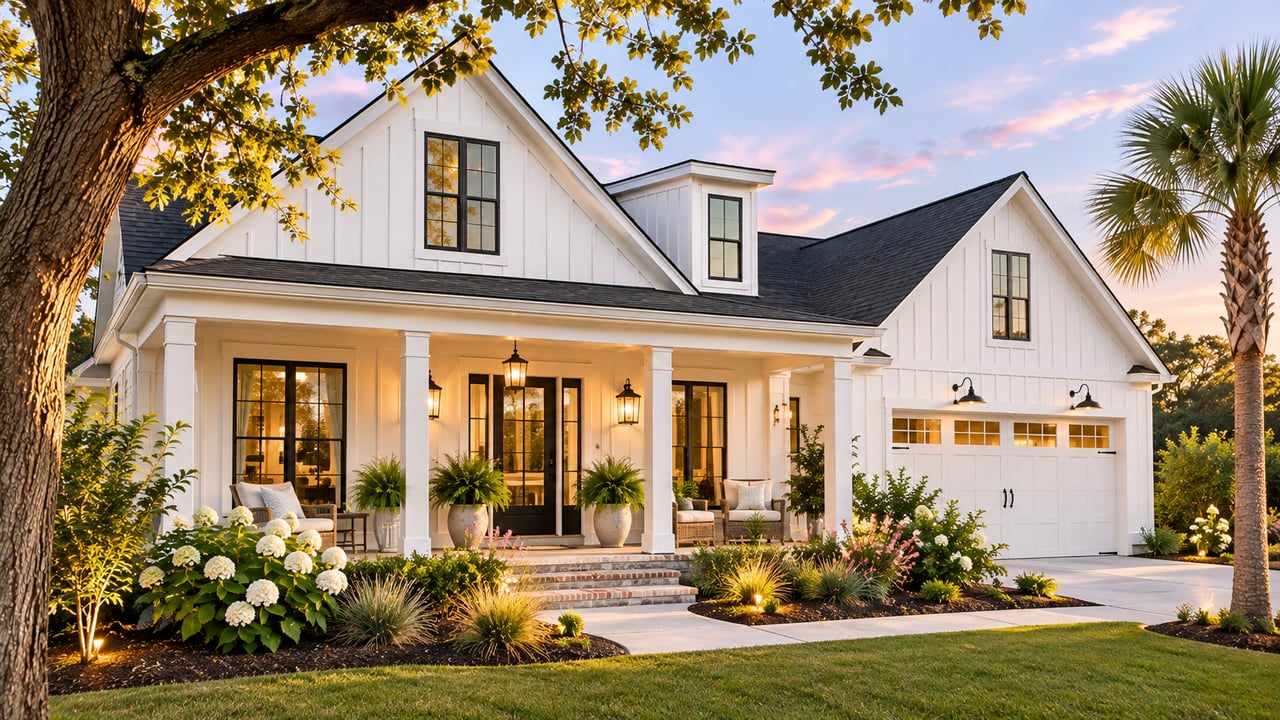
Single-family homes are holding their ground while condos face a different set of challenges. What November's market data means for buyers and sellers along the Grand … Read more
Buying and Selling
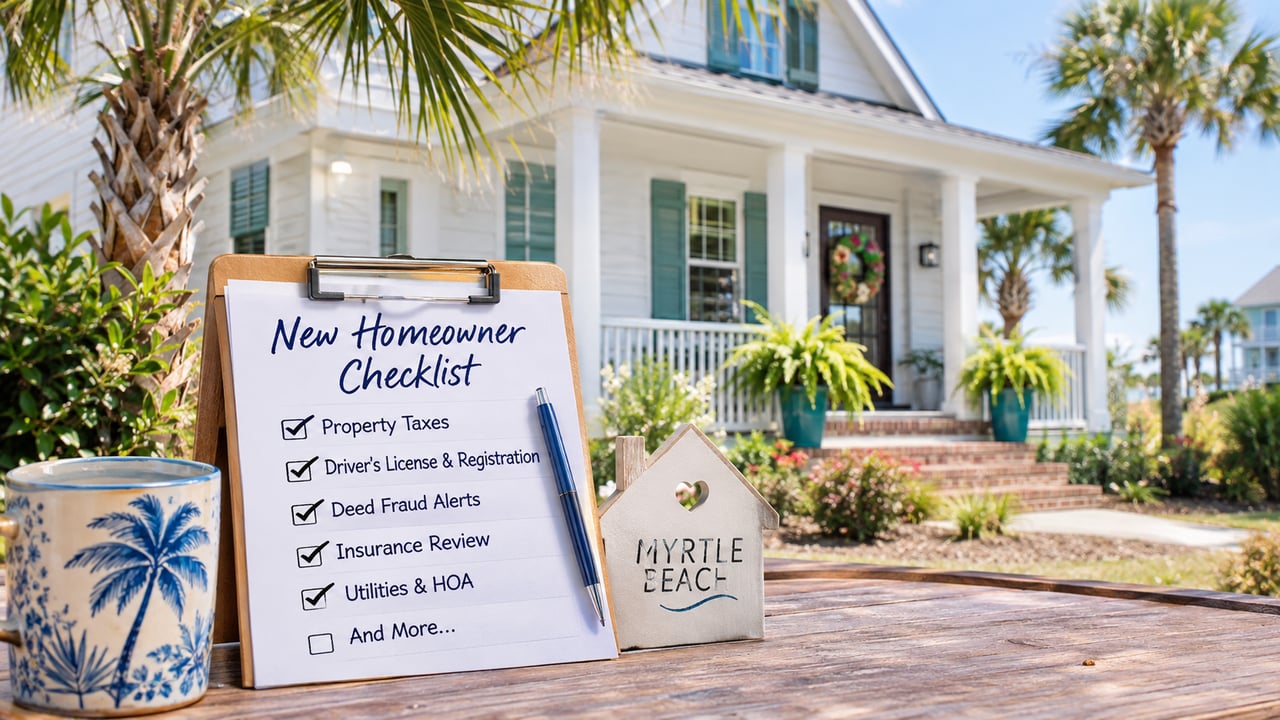
From property tax savings to paperwork most buyers overlook, here's what to take care of after getting the keys to your coastal home.
Taxes, Fees and Rules
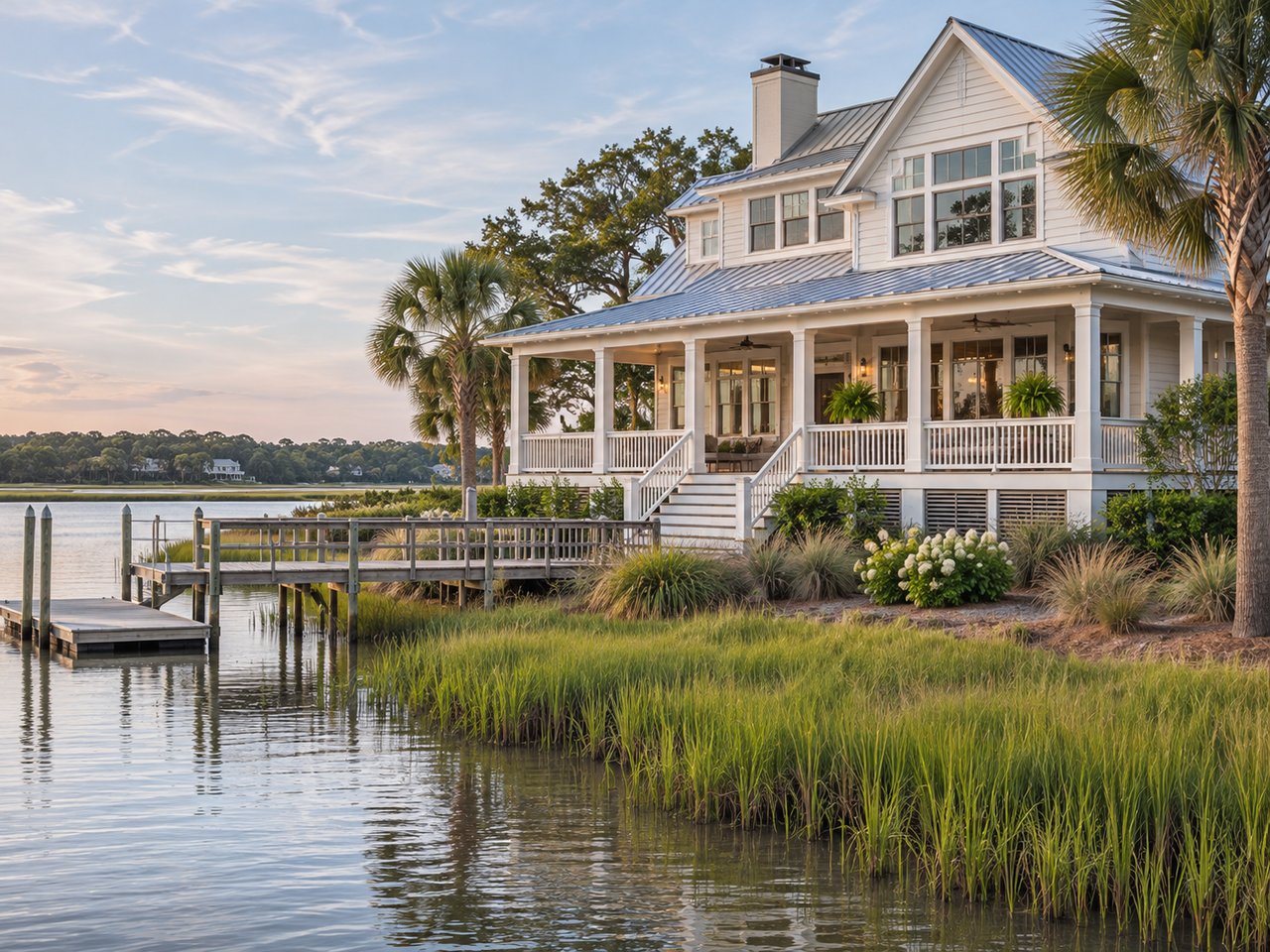
How South Carolina's 25% ATI exemption could lower property taxes on qualifying second homes and investment properties along the Grand Strand.
From buying and selling to real estate investing, Megan Parker delivers trusted guidance, local market expertise, and personalized solutions tailored to your goals. Her client-focused approach ensures a smooth, successful experience at every stage of your real estate journey.