What Affects Flood Insurance Costs on the Coast?
September 21, 2026
September 21, 2026
A beautifully maintained oceanfront home can look nearly identical to the one next door and carry a very different flood insurance picture. That is why understanding what affects flood insurance costs in Myrtle Beach belongs early in a coastal property search, not after an offer is written.
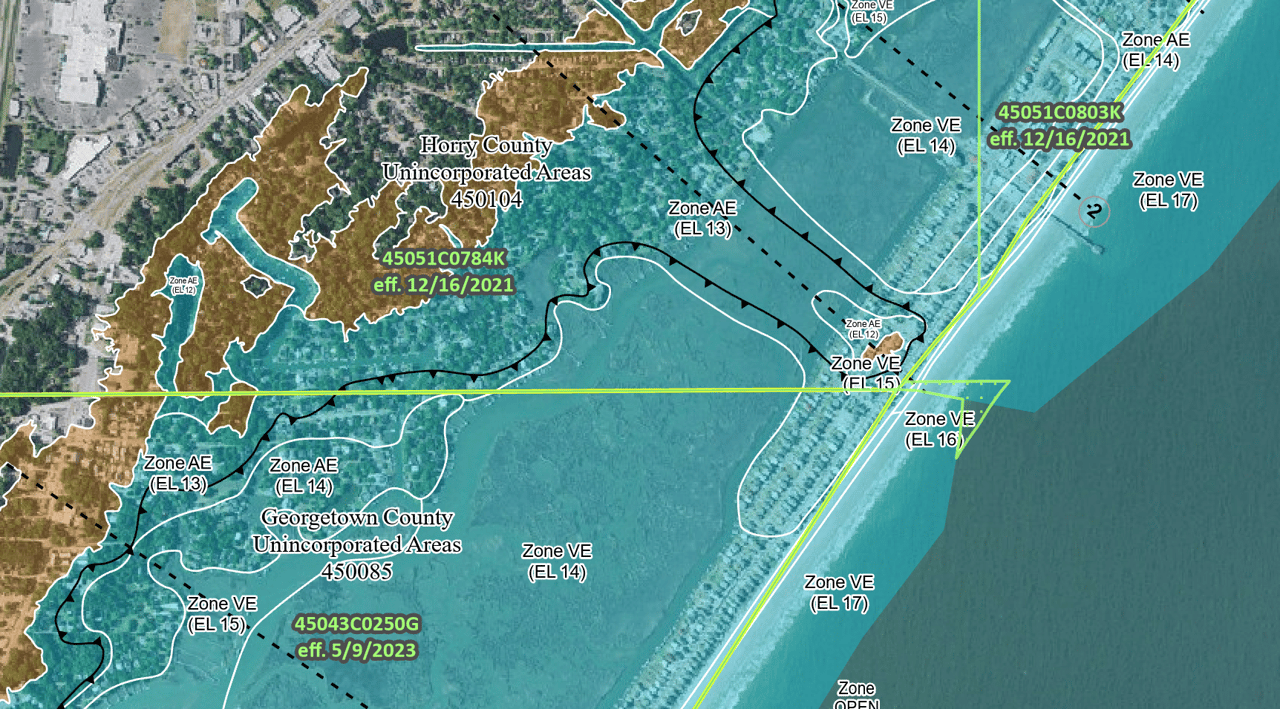
Across the Grand Strand, flood risk varies property by property. Homes may fall within FEMA flood zones including A, AE, VE, and X, and those designations can change within a surprisingly short distance.
Zone A and AE properties are located within areas with a 1 percent annual chance of flooding. In an AE zone, FEMA has established a Base Flood Elevation, while an A zone generally does not have a detailed Base Flood Elevation established.
VE zones are coastal high hazard areas where flooding may also include significant wave action. These zones are most often associated with properties that have greater direct coastal exposure.
Zone X generally represents areas outside FEMA's Special Flood Hazard Area, although that does not mean a property has zero flood risk.
The flood zone matters, but it is only one part of the insurance conversation. Elevation, construction, proximity to water, replacement cost, coverage selected, and the insurer's underwriting can all affect pricing.
The strongest cost drivers are property specific.
Two homes on the same street can have different elevations, foundation types, enclosed spaces below the living area, construction characteristics, replacement values, and histories. Those differences can materially affect insurance options and pricing.
Carrier appetite and insurance rules can also change over time. A useful quote should be based on the correct property address, current FEMA flood information, accurate building details, and the coverage you actually intend to carry.
Treat an early estimate as a budgeting tool rather than a final closing number.
Elevation is one of the most important pieces of the coastal insurance picture.
For properties in an AE flood zone, the relationship between the lowest floor and the property's Base Flood Elevation can be significant.
For homes in a VE zone, insurers and building professionals may also look closely at the elevation of the lowest horizontal structural member because these areas are subject to coastal wave action in addition to flooding.
A home that appears high from the street is not necessarily the home with the strongest insurance profile.
Changes in grade, foundation design, enclosed areas below the living space, mechanical equipment, and the actual surveyed elevation all matter.
An elevation certificate can be one of the most useful documents in a coastal property file.
Rather than relying on how elevated a house appears, the certificate provides measured information about the structure and its relationship to flood elevations.
If a seller already has one, request it.
If an elevation certificate is not available, a buyer may want to discuss obtaining one with a qualified surveyor, particularly before relying heavily on an insurance estimate.
When buying near the ocean, marsh, inlet, Intracoastal Waterway, river, or other flood prone area, documentation is much more useful than assumptions.
Construction becomes particularly important with elevated coastal homes.
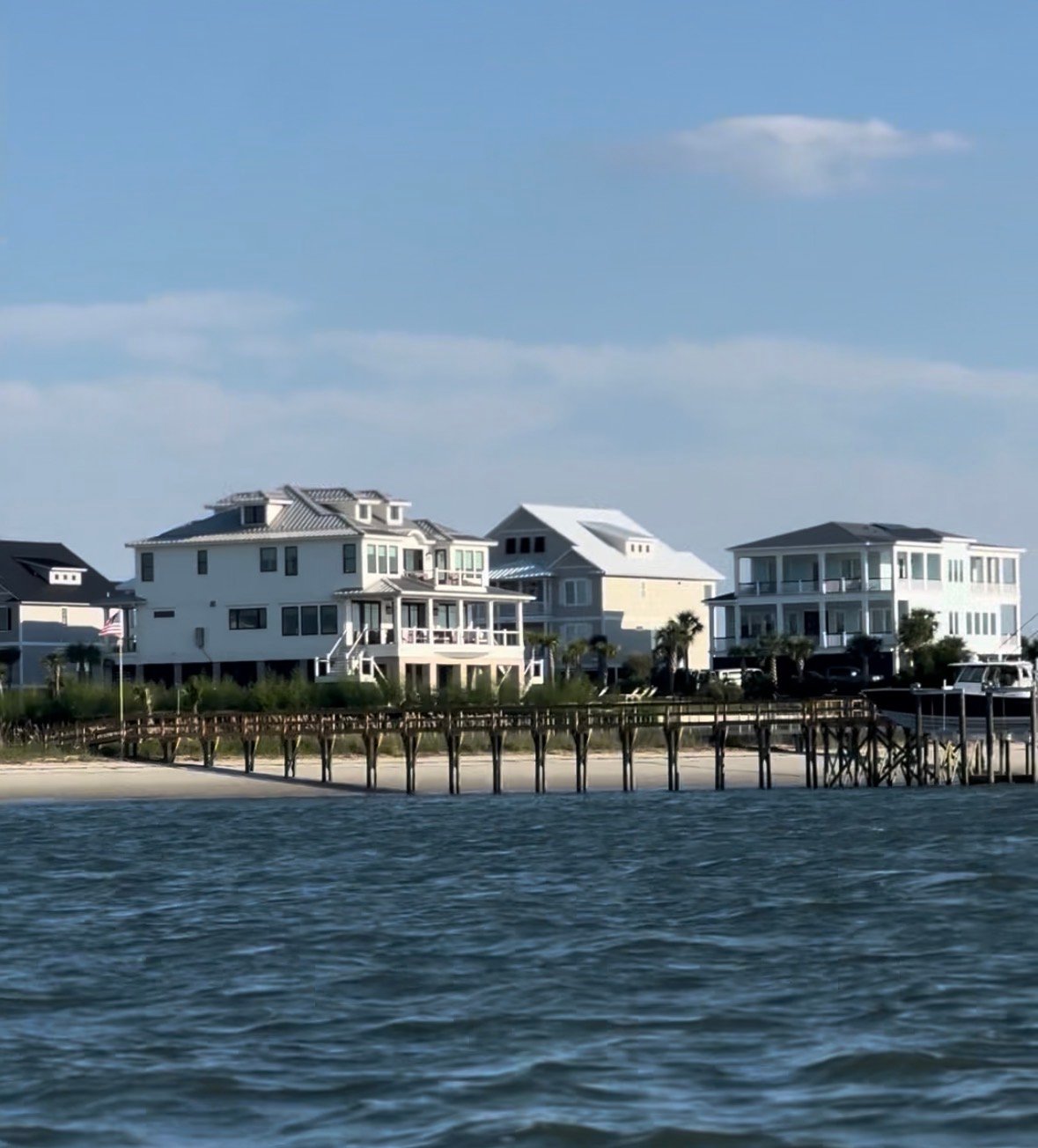
Many homes near the beach are built on pilings, piers, columns, or other elevated foundations. These designs can allow floodwater to move beneath the primary living area rather than directly through it.
For properties exposed to coastal wave action, the design of the foundation and lower portions of the home can become even more important.
Buyers should pay attention to features such as:
Open foundations
Pilings or columns
Breakaway walls
Lattice
Storage areas
Garages
Mechanical equipment
Electrical systems
Stairways
Finished or enclosed spaces below the elevated living area
The existence of a lower enclosure does not automatically mean there is a problem. It simply means buyers should understand how the space was permitted, how it is used, and whether improvements comply with applicable requirements.
A home inspector, surveyor, insurance professional, and, when appropriate, a coastal construction specialist may each provide a different piece of that picture.
A flood zone is not a complete description of a property's risk.
Two properties within the same FEMA designation may still have very different exposure.
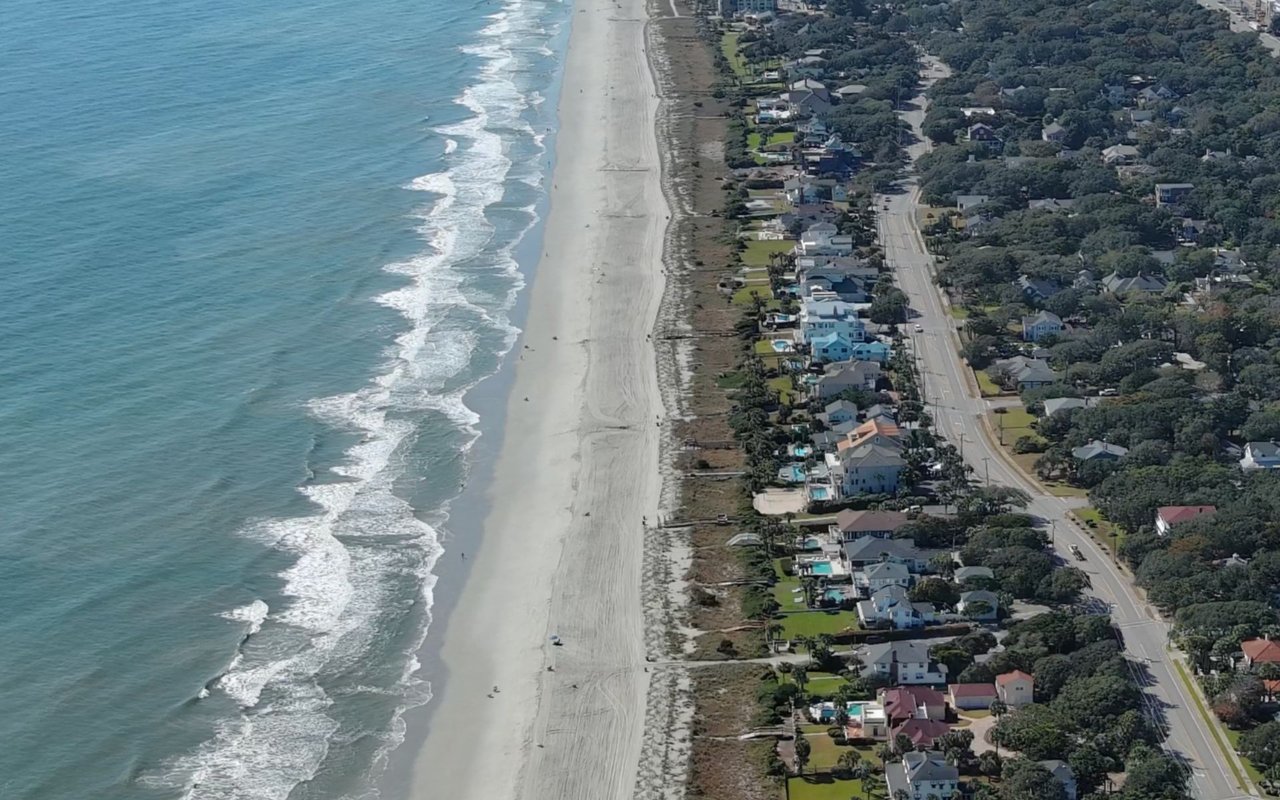
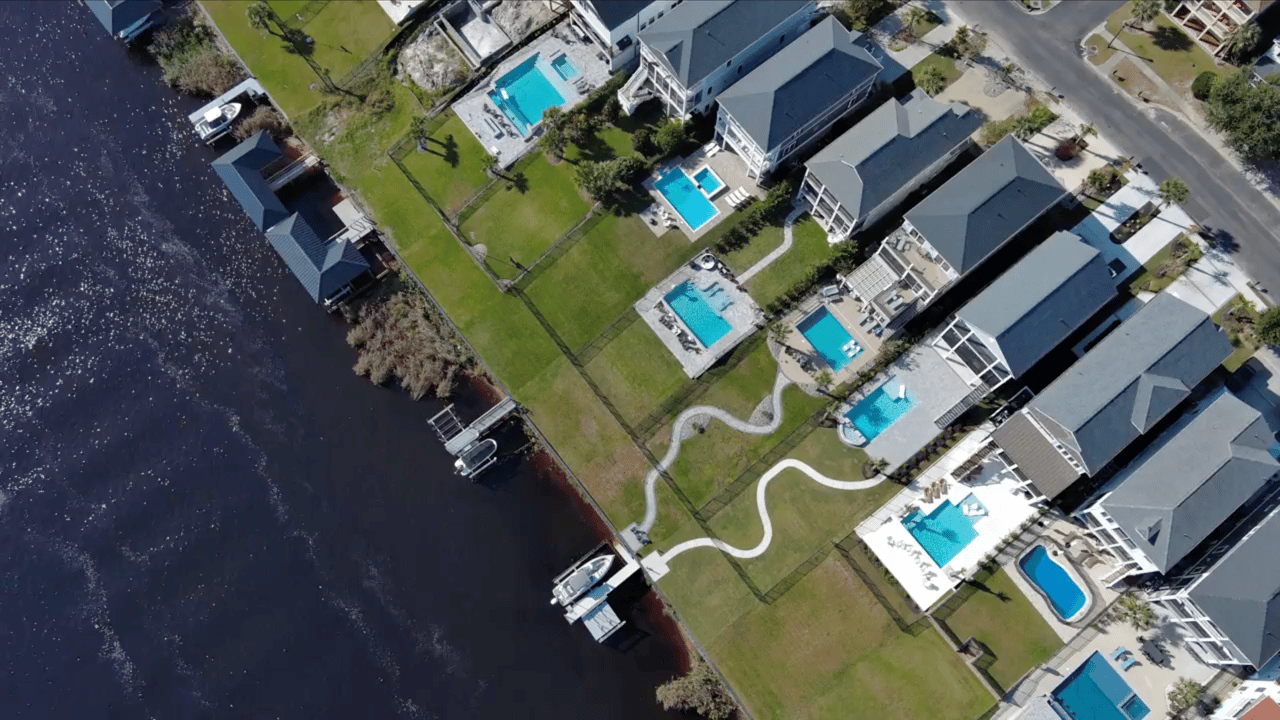
An immediately oceanfront home may be evaluated differently from a property behind a substantial dune system. A home near an inlet may have different considerations from one along a tidal creek. An Intracoastal Waterway property may present another set of variables entirely.
Insurers may consider factors including proximity to water, flood frequency, coastal exposure, elevation, surrounding terrain, and property specific characteristics.
This is why buyers should verify the FEMA flood designation for the individual property rather than assuming that every oceanfront home is in a VE zone or that every home farther from the beach is outside a flood hazard area.
It is also important not to confuse FEMA Flood Zone A with Horry County Hurricane Evacuation Zone A. They are separate designations used for different purposes.
For oceanfront and inlet adjacent properties, buyers may also want to investigate erosion, dune systems, beach renourishment, and shoreline history through appropriate local and state resources.
These factors may not determine an insurance premium by themselves, but they can be important when evaluating long term coastal ownership.
Flood insurance is not simply calculated as a percentage of the purchase price.
The amount of building coverage requested matters, and replacement cost can be especially important for custom coastal homes with elevated construction, specialty materials, luxury finishes, and complex mechanical systems.
Personal property coverage is another consideration.
So are deductibles, coverage limits, exclusions, valuation methods, and policy specific terms.
A lower premium may come with a higher deductible or different coverage limitations. A more expensive policy may provide terms that better align with the property and the way you intend to use it.
Instead of requesting only one quote, ask an insurance professional to show you comparable scenarios.
Look at:
Building coverage
Contents coverage
Deductibles
Policy limits
Exclusions
Replacement cost provisions
Coverage for detached structures or improvements
A lower annual premium is not necessarily the better policy if the underlying coverage is materially different.
Many Myrtle Beach area property owners compare coverage through the National Flood Insurance Program with private flood insurance options.
There is no single answer that works for every property.
The NFIP and private insurers may evaluate risk differently, offer different coverage limits, use different deductibles, and apply different underwriting standards.
A private insurer may be competitive on one elevated coastal property and considerably less competitive on another.
The important thing is to compare the actual policy terms rather than the premium alone.
For financed purchases, buyers should confirm that the proposed flood insurance satisfies the lender's requirements before assuming a policy will work for closing.
Cash buyers should still evaluate flood exposure carefully. The absence of a lender requirement does not eliminate the property's flood risk.
A seller's existing flood insurance policy can provide useful context, but it should not be treated as a guarantee of what a buyer will pay.
The seller may have:
Different coverage limits
A different deductible
A different policy form
Different contents coverage
A different renewal date
Different underwriting circumstances
A buyer should obtain a fresh quote using their intended coverage and the current information available for the property.
The seller's declarations page is useful. Your own insurance quote is better.
Newer does not automatically mean cheaper to insure, and older does not automatically mean difficult.
What matters is how the home was constructed, elevated, improved, maintained, and documented.
A well elevated older home with clear records and properly positioned mechanical systems may be easier to evaluate than a newer property with incomplete documentation.
If significant renovations have taken place, request available permits and contractor records.
Changes involving lower enclosures, decks, stairways, mechanical systems, exterior openings, roofing, and structural components may all be relevant to the larger insurance conversation.
If the property has experienced flooding or storm damage, buyers should also request available repair documentation and discuss that history with their insurance professional.
It is important to separate the different types of insurance involved in owning property along the South Carolina coast.
Flood insurance addresses flood related loss.
Homeowners insurance, wind coverage, named storm deductibles, hurricane coverage, excess liability coverage, and other policies may be written separately or subject to different underwriting standards.
A complete Myrtle Beach coastal ownership budget should look at the entire insurance picture rather than flood insurance alone.
This becomes especially important with oceanfront homes, luxury properties, second homes, and investment properties where replacement costs and coverage needs may be substantial.
When two homes are competing for your attention, try to evaluate them using the same information.
Ask for available documents such as:
The current flood insurance declarations page
Elevation certificate
Survey
Current FEMA flood zone information
Records of significant improvements
Permits when applicable
Documentation of previous storm or flood repairs
Then ask a coastal insurance professional to quote the properties using comparable coverage limits and deductibles.
Do not look only at the annual premium.
Consider the flood designation, elevation, foundation, location of mechanical equipment, lower enclosures, deductible exposure, replacement cost, and the quality of the coverage being offered.
For waterfront and oceanfront properties, this due diligence can sit alongside questions about docks, bulkheads, dunes, beach access, erosion, HOA obligations, rental restrictions, and ongoing maintenance.
The goal is not to eliminate every element of coastal risk. It is to understand what you are buying.
A well chosen Myrtle Beach property should feel like a place to exhale, not a string of financial surprises after closing. Before becoming completely attached to the view, let the flood map, survey, elevation information, property documents, and a real insurance quote tell their side of the story.
That clarity gives you the information you need to decide whether the home and the total cost of ownership make sense for you.

Events
From buying and selling to real estate investing, Megan Parker delivers trusted guidance, local market expertise, and personalized solutions tailored to your goals. Her client-focused approach ensures a smooth, successful experience at every stage of your real estate journey.