
A 55+ Sign at the Gate Isn't a Legal Status. On the Grand Strand, HUD's 80 Percent Test Is.
November 21, 2026
November 21, 2026
A "55+" label on a Grand Strand listing is marketing until the community's documents prove it. Under federal housing law, a community qualifies as housing for older persons only if at least 80 percent of its occupied units have at least one resident 55 or older, it publishes and follows policies showing that intent, and it verifies ages by survey at least every two years.
Drive Highway 17 from Murrells Inlet to Market Common and you'll pass more than one entrance with "active adult" or "55+" somewhere on the sign. Search the MLS and you'll find a field for it. Open a builder's website and you'll find a lifestyle page with a clubhouse and a pickleball court.
What you usually won't find on any of them is the document that makes the label true. Age restriction in a housing community isn't a marketing choice. It's an exemption from the federal Fair Housing Act, and it comes with conditions a community has to keep meeting.
That's the distinction worth getting right before you buy, because it decides who can live in the house after you, and who can buy it from you.
HUD's page on housing for older persons sets out three conditions, and the 1999 final rule implementing the Housing for Older Persons Act puts them in regulation. Under 24 CFR 100.305, at least 80 percent of a community's occupied units must be occupied by at least one person 55 or older. The community must publish and adhere to policies and procedures that show its intent to operate as 55+ housing. And under 24 CFR 100.307, it has to verify occupancy through reliable surveys and affidavits, updated at least once every two years.
That last piece is the one buyers never ask about. A community that markets itself as 55+ but can't produce a current verification survey is in a different legal position than one that can. The 20 percent margin also matters: it's why some 55+ communities allow a limited number of households without a resident 55 or older, and why the association's own rules, not the federal minimum, usually decide how that margin is used.
In Murrells Inlet and the Myrtle Beach area, MLS listing data and national 55+ directories describe several communities as age restricted, among them Seasons at Prince Creek West, Spring Forest and Woodlake Village in Murrells Inlet, and Del Webb at Grande Dunes and Del Webb North Myrtle Beach. Treat those descriptions as a starting point. They come from listing fields and directories, not from the communities' recorded documents.
The builder side isn't more specific. Del Webb's own page for Grande Dunes, read November 13, 2026, says only that community association and golf fees "may be required," without a figure. That's normal, and it's exactly why the resale certificate and the recorded declaration matter more than the brochure. Dues, what they cover, whether the community is gated, and the age rules for occupants and guests all come from those documents, and they change by board vote.
The honest gap: none of these communities publishes its age verification policy on a public website that we could find. Ask for it.
Here's the contrast. On the Waccamaw Neck, we didn't find a community that the national directories classify as legally age restricted. What you'll see instead is "age targeted," which means a community designed and marketed around active adult amenities but not restricted by covenant.
That difference cuts both ways. An age targeted community has no 80 percent test to maintain and no limit on who can buy from you later. An age restricted community gives you a covenant that narrows the buyer pool on resale, by design. Neither is better. They're different products, and the listing label alone won't tell you which one you're looking at.
What you're checking | Age restricted (55+ under HOPA) | Age targeted |
|---|---|---|
Legal basis | Federal exemption, 24 CFR 100.305 to 100.307 | None needed; ordinary covenants |
Occupancy rule | At least 80 percent of occupied units with one resident 55 or older | No age requirement |
Documents to request | Recorded declaration, published age policy, latest verification survey | Recorded declaration and rules |
Who can buy from you later | Limited by the community's age policy | Anyone |
The age that matters for South Carolina property tax is 65, not 55. According to the SC Department of Revenue's homestead exemption flyer, the exemption removes taxes on the first $50,000 of fair market value of a legal residence for owners who are 65, totally and permanently disabled, or legally blind, and who have been South Carolina residents for one full calendar year as of December 31 of the prior year. You apply once with the county auditor.
For tax year 2026, county auditor notices, including Lexington County's, describe a temporary increase from $50,000 to $75,000 through the state budget. As of November 13, 2026, Georgetown County's tax relief page still lists $50,000, so confirm the current figure with the Horry County or Georgetown County Auditor before you count on it. The separate 4 percent legal residence assessment ratio under S.C. Code § 12-43-220(c) applies at any age once you qualify. On the income tax side, South Carolina's 2026 rewrite (H.4216, Act 110) changed the state's rates and deductions, so ask a CPA how retirement income is treated for your situation.
Before you write an offer in any community marketed as 55+, ask the association for four things: the recorded declaration, the published age policy, the date of the most recent age verification survey, and the current budget with dues. If the community can't produce the policy and the survey, treat it as age targeted until it can.
Then think about resale. A restricted community narrows your future buyer pool by design, which is a fair trade for some owners and not for others. And put the homestead application on your calendar: the residency clock starts when you become a resident, not when you turn 65.
For the 4 percent rate and how to apply in Horry, read Horry County 4% Property Tax: How to Apply in 2026, and for Georgetown County's sales tax credit, Georgetown County 1% Sales Tax: Property Tax Relief Explained. The Murrells Inlet community page and the home search show what's available now.
What makes a community legally 55+?
Meeting HUD's housing for older persons rule: at least 80 percent of occupied units with one resident 55 or older, published policies showing that intent, and age verification updated at least every two years.
Is a community 55+ just because the MLS says so?
No. The MLS field and directory listings are descriptions. The recorded declaration, the published age policy and the verification survey are what establish the status.
Are there legally age restricted communities in Georgetown County?
We didn't find one classified that way in national 55+ directories as of November 2026. Communities on the Waccamaw Neck are more often described as age targeted.
When do I qualify for South Carolina's homestead exemption?
At 65, or if totally and permanently disabled or legally blind, after one full calendar year of South Carolina residency as of December 31 of the prior year. Apply with your county auditor.
Is the homestead exemption $50,000 or $75,000 in 2026?
County auditor notices describe a temporary increase to $75,000 for tax year 2026. Confirm with the Horry or Georgetown County Auditor, since not every county page has been updated.
Megan Parker has helped buyers sort the brochure from the declaration across the Grand Strand for years, and she reads the age policy before she reads the amenity list. Let's Connect.
About the author: Megan Parker is a second generation Realtor with Berkshire Hathaway HomeServices Coastal Real Estate, licensed in South Carolina (Lic. #119738), serving Murrells Inlet, Pawleys Island, Litchfield, DeBordieu, Prince George, Georgetown, Myrtle Beach and the Grand Strand. Sources: HUD, Fair Housing Act: Housing for Older Persons; HUD HOPA final rule, 64 Fed. Reg. (Apr. 2, 1999), 24 CFR 100.305 and 100.307; SCDOR Homestead Exemption flyer; Lexington County Auditor homestead page; Georgetown County Tax Relief and Exemptions page (read Nov. 13, 2026); SCDOR Homeowner's Guide to Legal Residence (June 2021); SCDOR information on H.4216 (Apr. 15, 2026); Del Webb at Grande Dunes community page (read Nov. 13, 2026). Community descriptions reflect MLS listing data and national directories and should be verified against each association's recorded documents. This article is general information, not legal or tax advice; consult an attorney or CPA. Information deemed reliable but not guaranteed. Berkshire Hathaway HomeServices Coastal Real Estate. Equal Housing Opportunity.
From Megan's Desk
A community is legally 55+ only if 80% of occupied units house someone 55 or older, it publishes age policies and it verifies ages every two years.
From Megan's Desk
Compare the brokerage relationship, the license record, the coastal disclosure plan, dated market data and the listing agreement.
From Megan's Desk
SC DES permits the dock, the DeBordieu ARB approves its design, and canal owners have paid for dredging by neighborhood assessment.

From Megan's Desk
Seven parades run Dec. 4 to Dec. 12. Every 2026 holiday date from Loris to Georgetown.

From Megan's Desk
The settlement assigns inlet relocation to the Town and Prince George; a south end owner's cost runs through flood and setback rules.
Neighborhood Guides
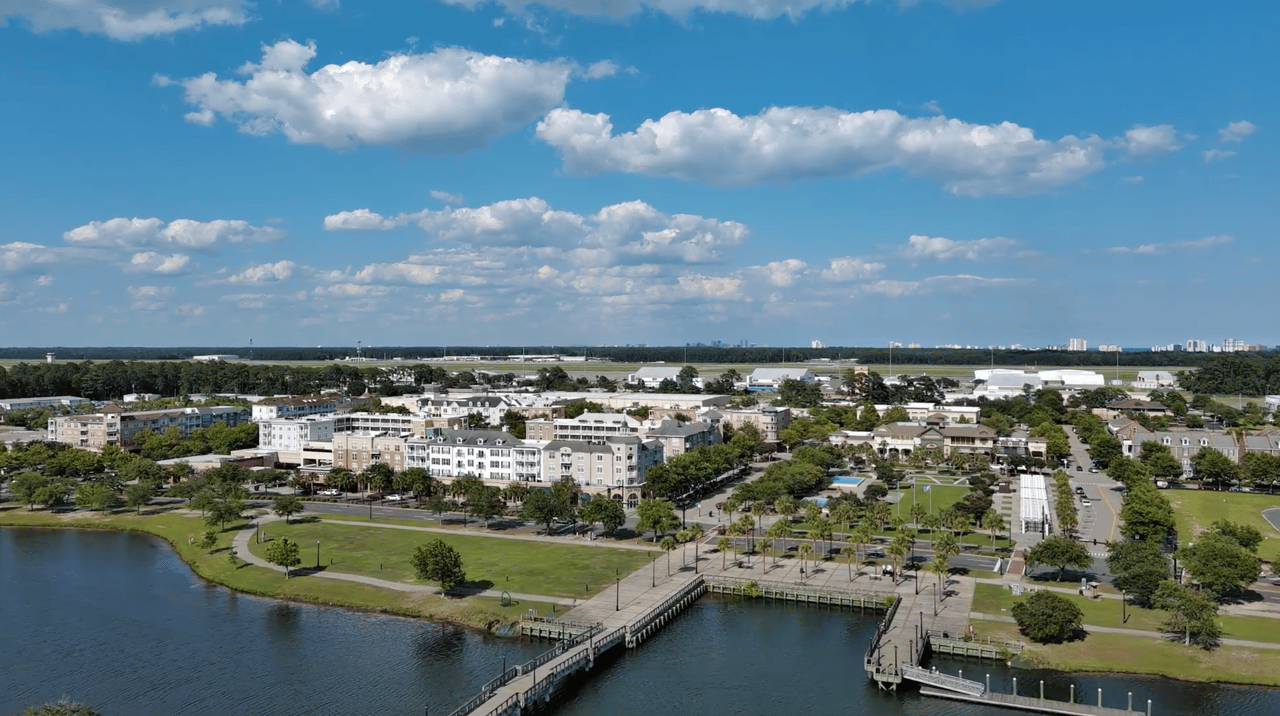
Before the shops and the lake, the city built a financing plan on an empty air base. That plan still decides what a Market Common address really means.
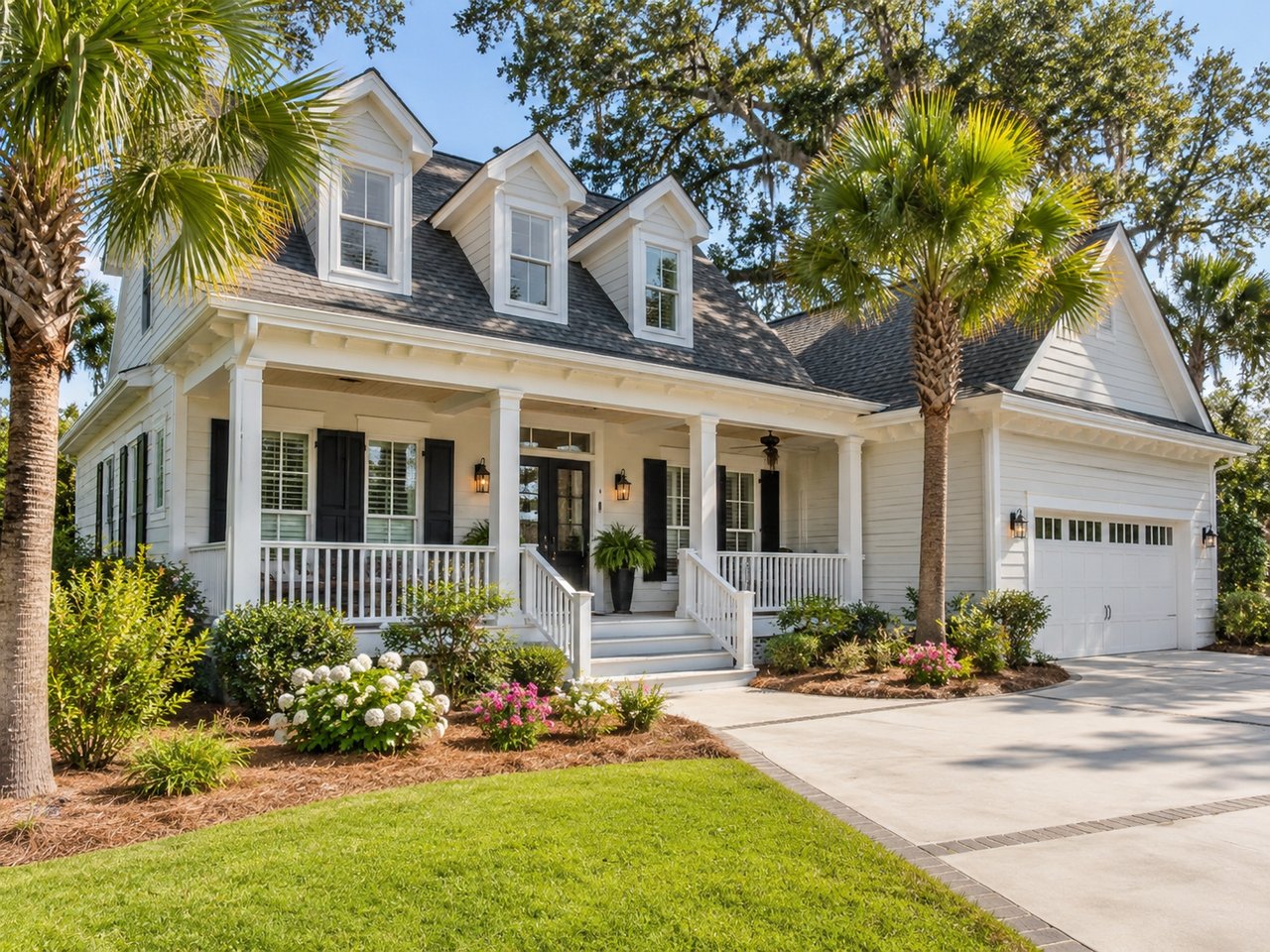
More listings don't always mean falling prices. What's happening in your neighborhood and price range tells a much more useful story.
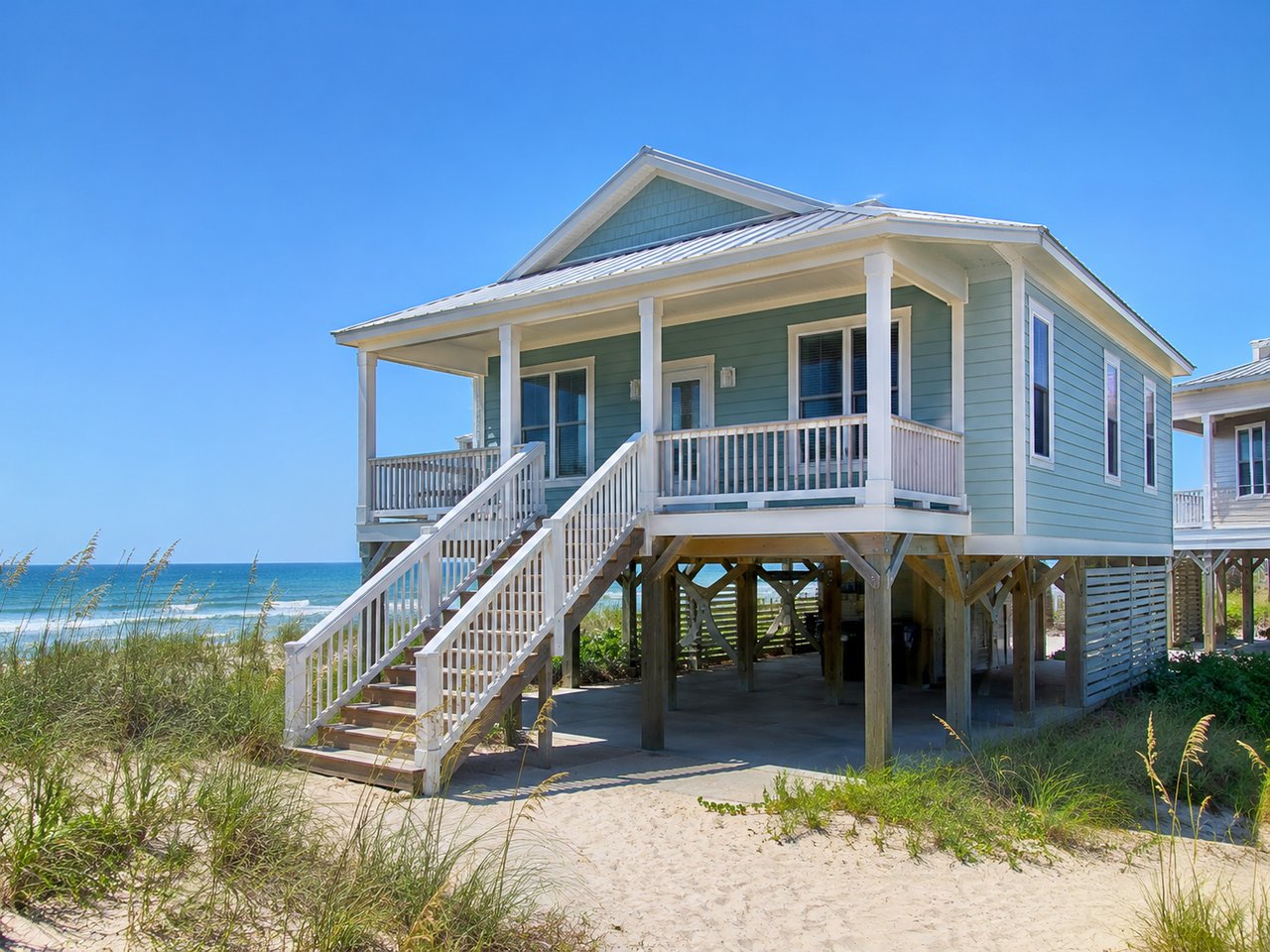
Two coastal homes can have the same price tag and very different insurance costs. Here's what buyers should know before making an offer.
From buying and selling to real estate investing, Megan Parker delivers trusted guidance, local market expertise, and personalized solutions tailored to your goals. Her client-focused approach ensures a smooth, successful experience at every stage of your real estate journey.