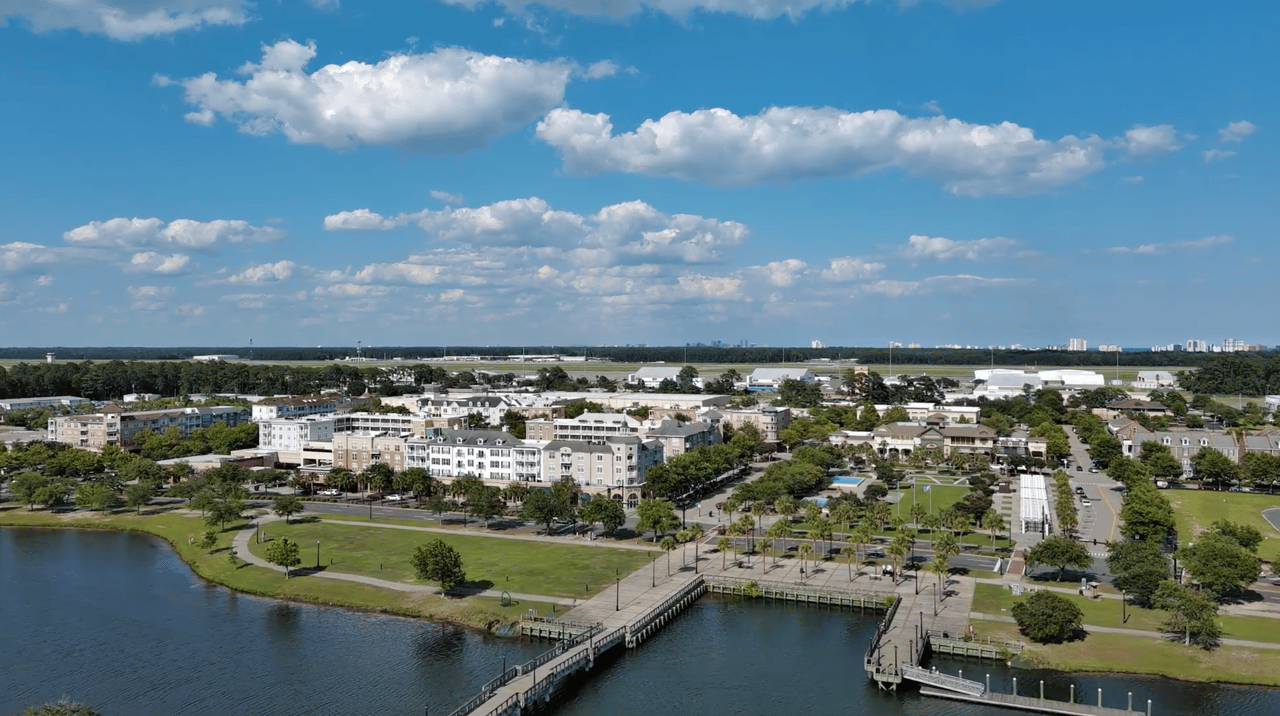
The Market Common Was Paid For Before It Was Built. The Bonds Run Through 2036.
November 17, 2026
November 17, 2026
The short answer: The Market Common is not a subdivision with a recorded boundary. It's a 103.7 acre commercial district sitting inside a roughly 4,000 acre tax increment financing district the City of Myrtle Beach created in 1994, after the Air Force base closed. Most homes marketed as "Market Common" sit on former base land around it, and that TIF debt runs to 2036.
Drive Farrow Parkway on a weekday morning and it reads like any well planned neighborhood. Lakes, sidewalks, street trees, a main street with a bookstore at the end of it. Nothing about it tells you that the road you're on was laid across an airfield, or that the sidewalk under your feet was paid for by a bond issue that won't retire for another decade.
Most write ups of the Market Common stop at the shops and the lake. That's the brochure version. The paper version is more useful, because the way this place was built still shapes what you're buying when a listing says "Market Common" in the headline.
That gap is worth a few minutes before you write an offer.
When the city went to the bond market in 2018, it described the tax increment district as about 4,000 acres, with the Market Common itself at 103.7 acres. The same district holds Grand Park and its 30 acre lake, the International Technology and Aerospace Park, Whispering Pines Golf Course and Myrtle Beach International Airport, according to the City of Myrtle Beach.
In late 2024, a city spokesperson told The Sun News there's "really no specific outline" for the Market Common. Most of what people mean by the name is simply the former base.
That matters because the base was never one neighborhood. It's a patchwork of separate developments, each with its own plat, its own covenants and, in many cases, its own association. Two houses a block apart can answer to entirely different rulebooks while sharing the same nickname.
The name describes a feeling. The plat describes the property.
Most Grand Strand subdivisions start with a developer, a plat and a set of covenants. The former base started with a public financing plan. The city established the TIF district in 1994, the year after the base closed, so that new property value on the old base would pay back the roads, utilities, garages and parks the city built there.
The numbers in the 2018 plan amendment show how that worked:
Year | Assessed value of former base property |
|---|---|
1994 | $15,600 |
2004 | $4,247,212 |
2018 | $38,214,901 |
The same document says the city had issued $41 million of TIF bonds for the improvements, that it sought no more than $15 million in additional bonds, and that the new bonds would mature in 2036, the same year as the outstanding TIF debt. The projects listed in that amendment include a fire station, Grand Park phases, a Howard Avenue extension, South End parking and Market Common park and traffic work.
Put plainly, the public side of the Market Common, the garages, the streetscape and the parks, was paid for by the growth of the people and businesses who bought in afterward.
A TIF district generally doesn't add a separate tax line. It redirects the growth in property tax revenue inside the district toward the district's debt, instead of sending all of it to the county and school district. The 2018 amendment was written in part to return a larger share of that revenue to the other taxing districts starting in October 2018.
What you pay still depends on your assessment ratio and your millage. A primary residence and a second home are assessed differently in South Carolina, which is the whole subject of how to apply for the Horry County 4% rate.
Some parts of the former base have also used special assessments for specific improvements over the years. A current, published list of them isn't easy to find, so don't assume either way. Pull the actual Horry County tax bill for the parcel and read every line, then ask the Horry County Treasurer, your closing attorney and your CPA what each line is and whether it continues.
The bill tells you more than the listing will.
The Air Force cleaned up the base under a formal restoration program. According to the Air Force Civil Engineer Center, that work covered landfills, fire training areas and underground storage tanks. Remedy optimizations are in place at most groundwater sites, and the groundwater is being cleaned up to residential, unrestricted use. A Restoration Advisory Board met from 1994 until it adjourned in 2010.
In July 2019, the U.S. EPA gave the former base its National Federal Facility Excellence in Site Reuse award. EPA counted more than 1,200 new homes, a dozen parks, a golf course, a college, a business park and the Market Common's shops on the old base.
None of that is a statement about any one lot. If a property sits near a former restoration site, the place to look is the Air Force's administrative record and the SC Department of Environmental Services, with an environmental professional or your attorney reading alongside you. It's a short call, and it's the kind of homework that makes a confident offer.
Farrow Parkway carries the name of Lieutenant William Glover Farrow, a Darlington native and one of the Doolittle Tokyo Raiders, who was captured and executed in October 1942. His historical marker stands at Farrow Parkway and Nevers Street in the Market Common's Valor Memorial. Many of the surrounding streets are named for veterans and people connected to the base, as Visit Myrtle Beach has documented.
That's the part of the Market Common that never shows up in a price comparison. The memorials are woven into the daily walk, which is also why Warbird Park's newest memorial is worth a look before you choose a street.
The contrast with downtown Myrtle Beach makes the base's model easier to see. In 2022, City Council approved a downtown Municipal Improvement District running from 21st Avenue North to 11th Avenue South. Commercial property owners there pay an extra assessment, and owner occupied homes are exempt, according to the City of Myrtle Beach.
Former base (Market Common area) | Downtown Myrtle Beach | |
|---|---|---|
Funding tool | Tax increment financing district, created 1994 | Municipal Improvement District, approved 2022 |
Who carries the cost | Growth in property tax revenue inside the district | An added assessment on commercial property |
Owner occupied homes | No separate TIF line; normal assessment and millage apply | Exempt from the MID assessment |
Size | About 4,000 acres; Market Common district 103.7 acres | 21st Avenue North to 11th Avenue South |
Same city, two financing tools, two different questions to ask before you buy.
If you're weighing a home on the former base, here's the order to work in:
Then walk it. Start at the Market Common neighborhood page, see what's on the market in the current search, and if you already own on the old base, see what your home is worth today. For what the district feels like on a busy night, there's the New Year's Eve post.
No. City records describe a 103.7 acre Market Common district inside a TIF district of about 4,000 acres, and a city spokesperson said in 2024 there's no specific outline of the neighborhood. Use the recorded plat for the property you're considering.
March 1993. The closure was announced in October 1991, and all 3,936 acres have since been conveyed by deed for airport and civilian use, according to the Air Force Civil Engineer Center.
Generally no. A TIF redirects growth in property tax revenue inside the district to pay its debt, which matures in 2036 per the city's 2018 plan amendment. Read the actual tax bill and ask the Horry County Treasurer, your attorney or your CPA about any special assessment line.
That's a question for the record, not a listing. The Air Force Civil Engineer Center says groundwater is being cleaned up to residential, unrestricted use. For a specific property, review the Air Force administrative record and SC Department of Environmental Services files with an environmental professional.
The retail district opened in 2008, about fifteen years after the base closed, as The Sun News has reported.
Megan Parker, REALTOR, Berkshire Hathaway HomeServices Coastal Real Estate, SC license #119738. Second generation REALTOR born and raised in Myrtle Beach, serving the Grand Strand from Grande Dunes and the Market Common south to Pawleys Island, DeBordieu and Georgetown.
Megan Parker watched the old base turn into streets, lakes and storefronts, and she reads the plat and the tax bill before she reads the listing. If you're deciding between homes on the former base, she'll help you see which rules come with which address. Let's Connect.
Berkshire Hathaway HomeServices Coastal Real Estate. Information is deemed reliable but not guaranteed and should be independently verified. Nothing here is legal, tax, insurance, environmental, flood or survey advice.
Equal Housing Opportunity.
From Megan's Desk
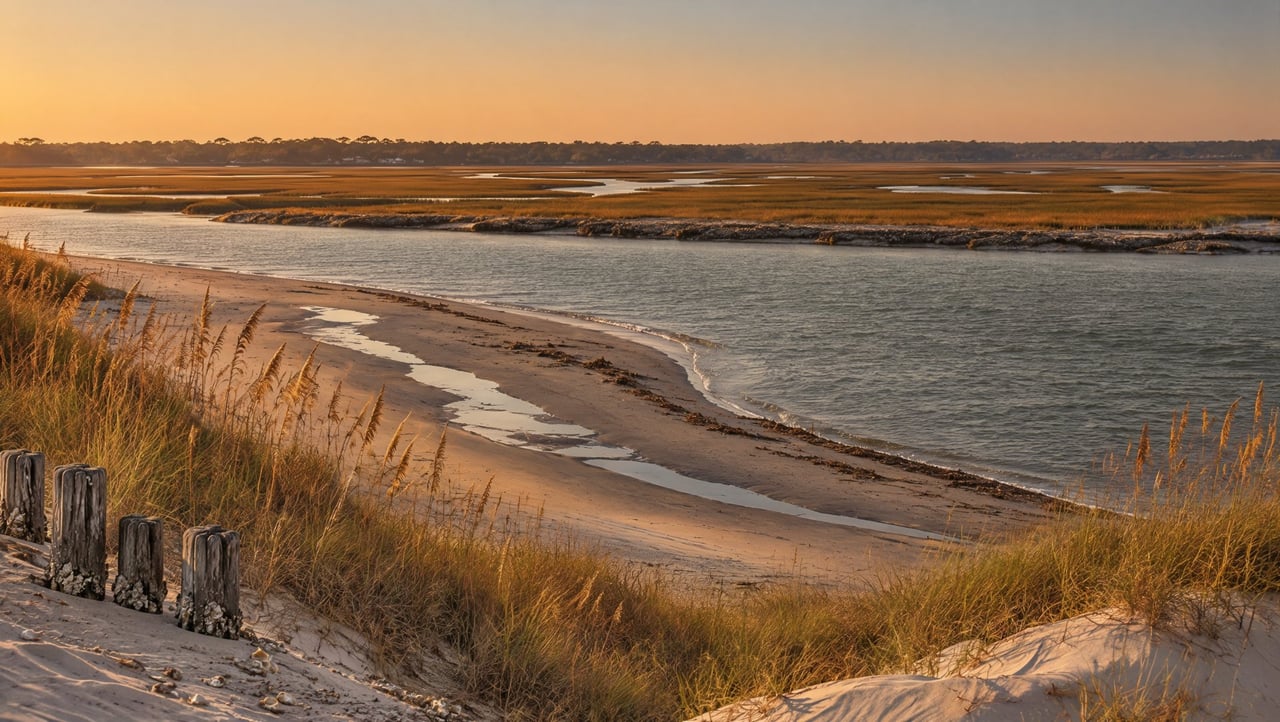
The settlement assigns inlet relocation to the Town and Prince George; a south end owner's cost runs through flood and setback rules.
Neighborhood Guides
Before the shops and the lake, the city built a financing plan on an empty air base. That plan still decides what a Market Common address really means.
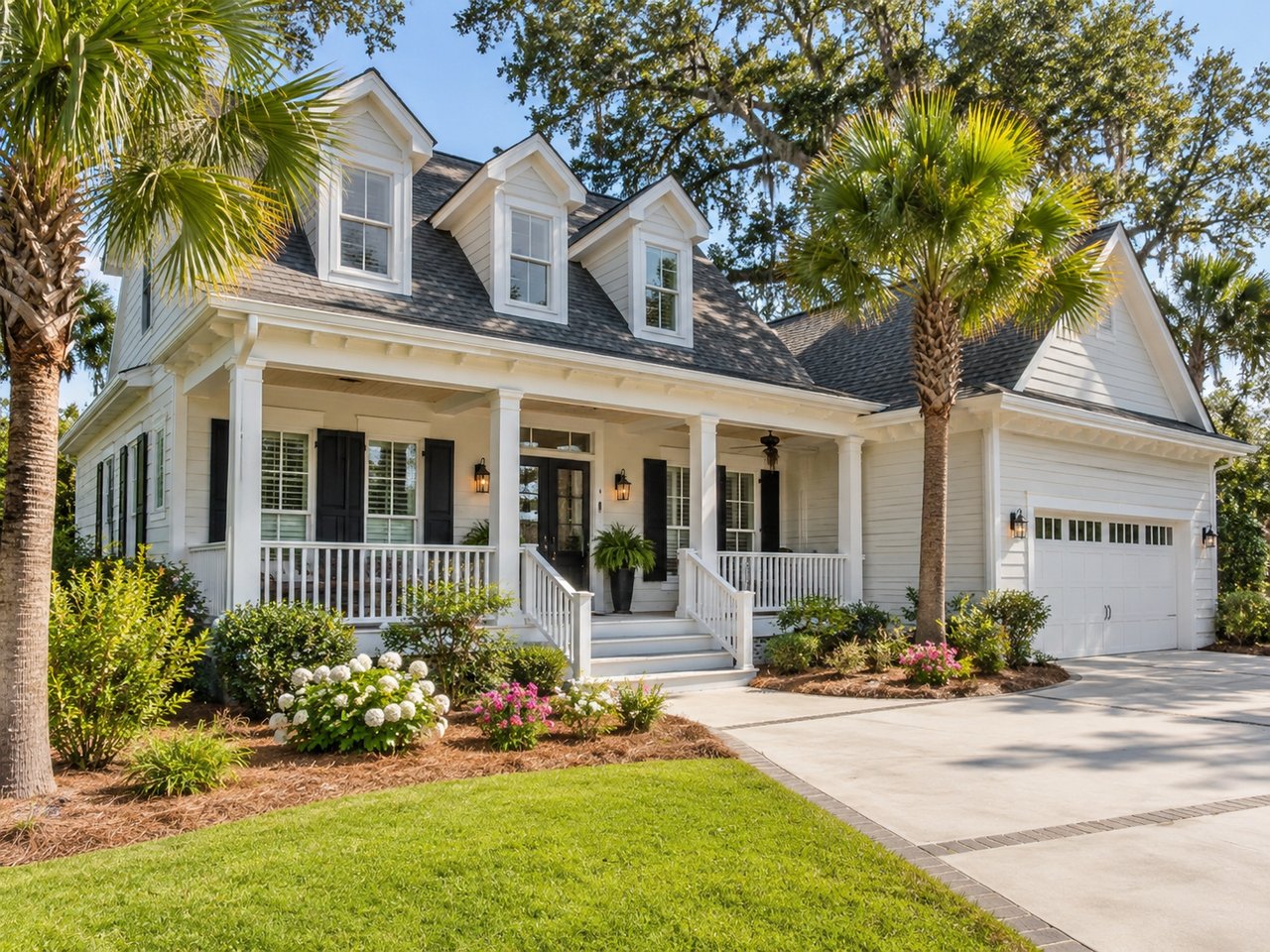
More listings don't always mean falling prices. What's happening in your neighborhood and price range tells a much more useful story.
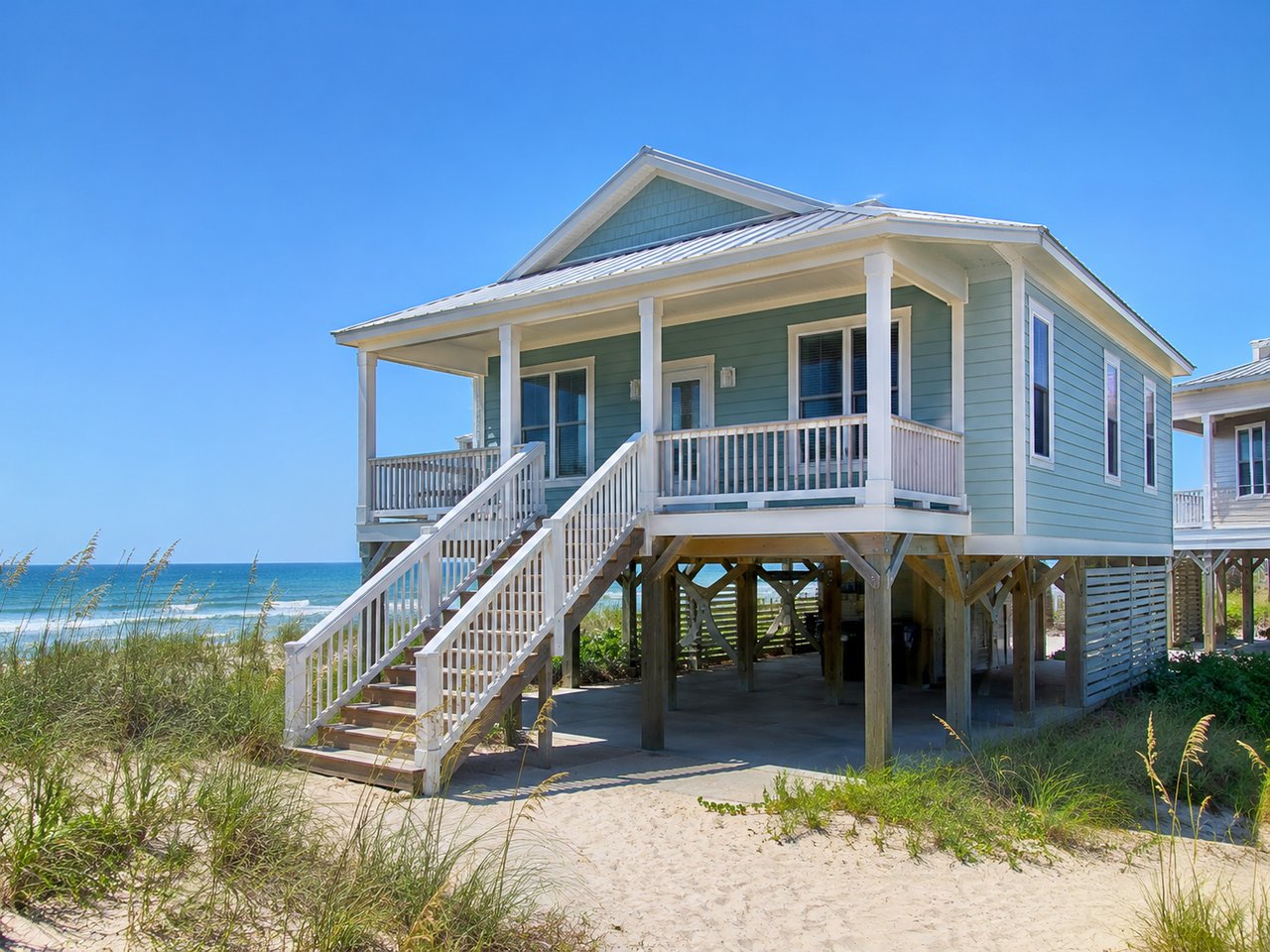
Two coastal homes can have the same price tag and very different insurance costs. Here's what buyers should know before making an offer.

Taxes, Fees and Rules
Registration, insurance, and the local rules that change from one Grand Strand town to the next, checked against the statute as amended in May 2026.

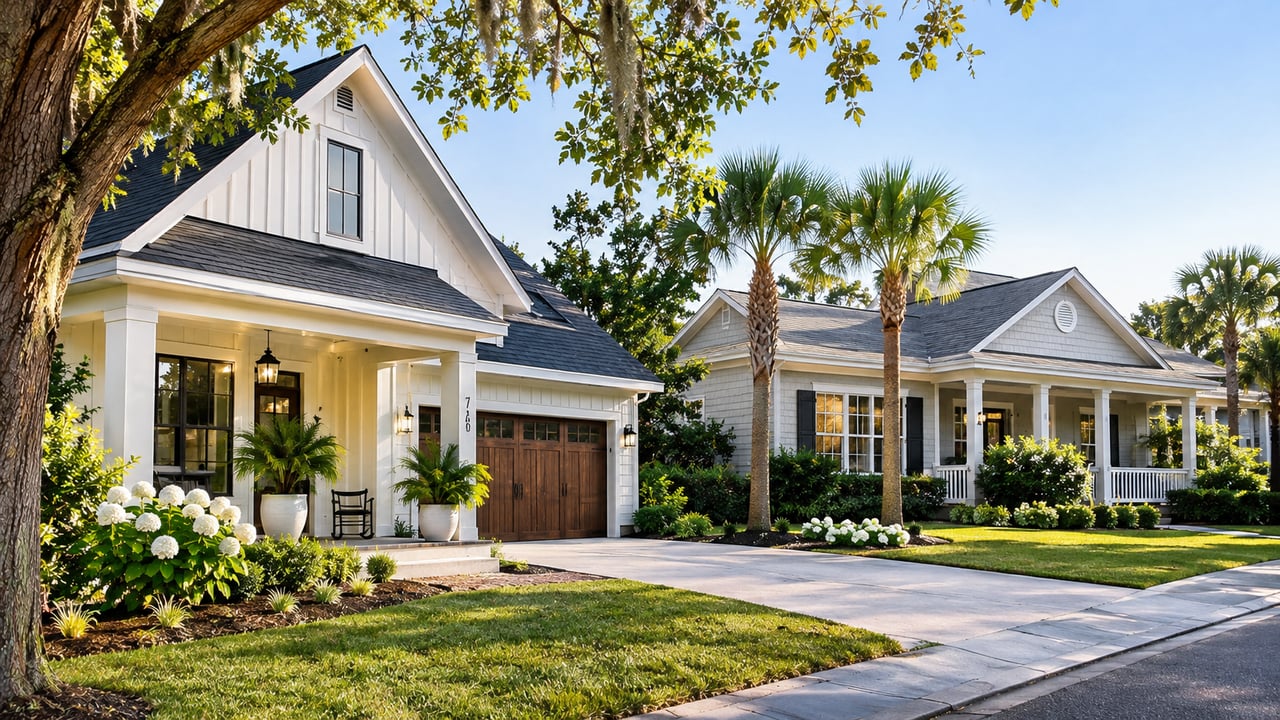
Builder incentives can be tempting, but established neighborhoods have advantages of their own. Here's how to compare the real cost of both.
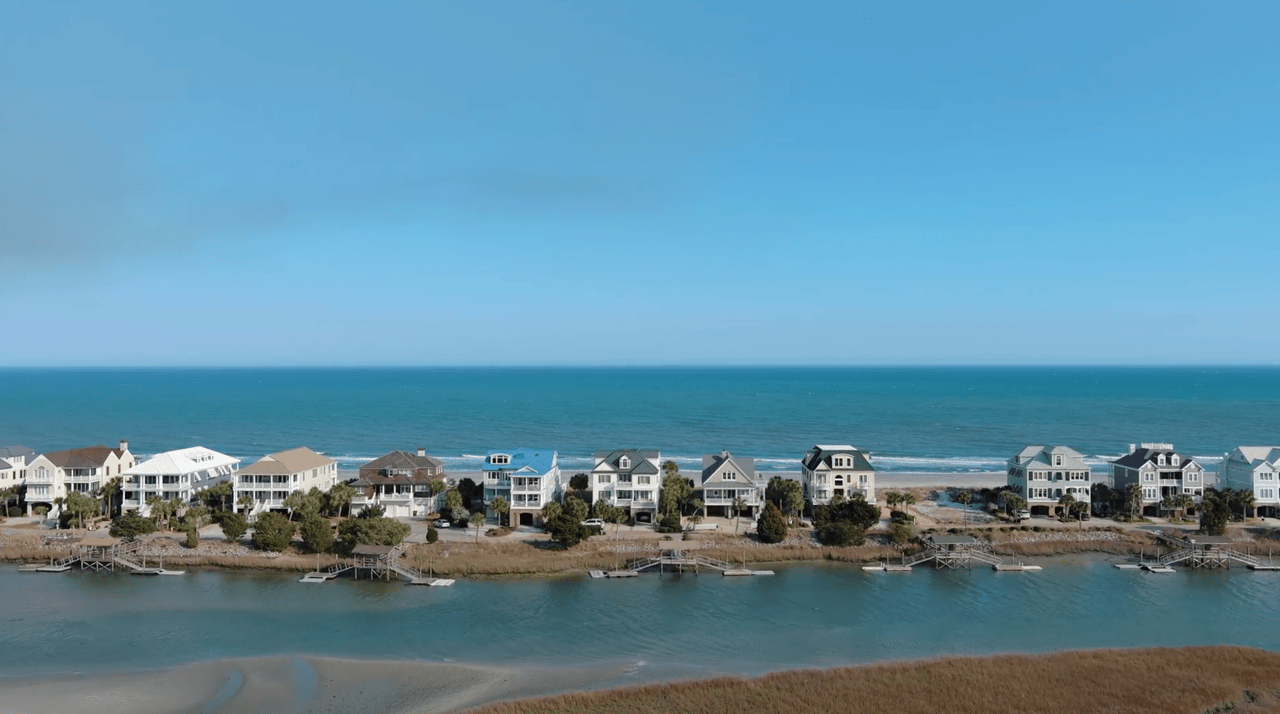
Market Reports
Through November 9, 10,322 single family homes sold, three more than last year, at an average price up 2.8% and four days faster.
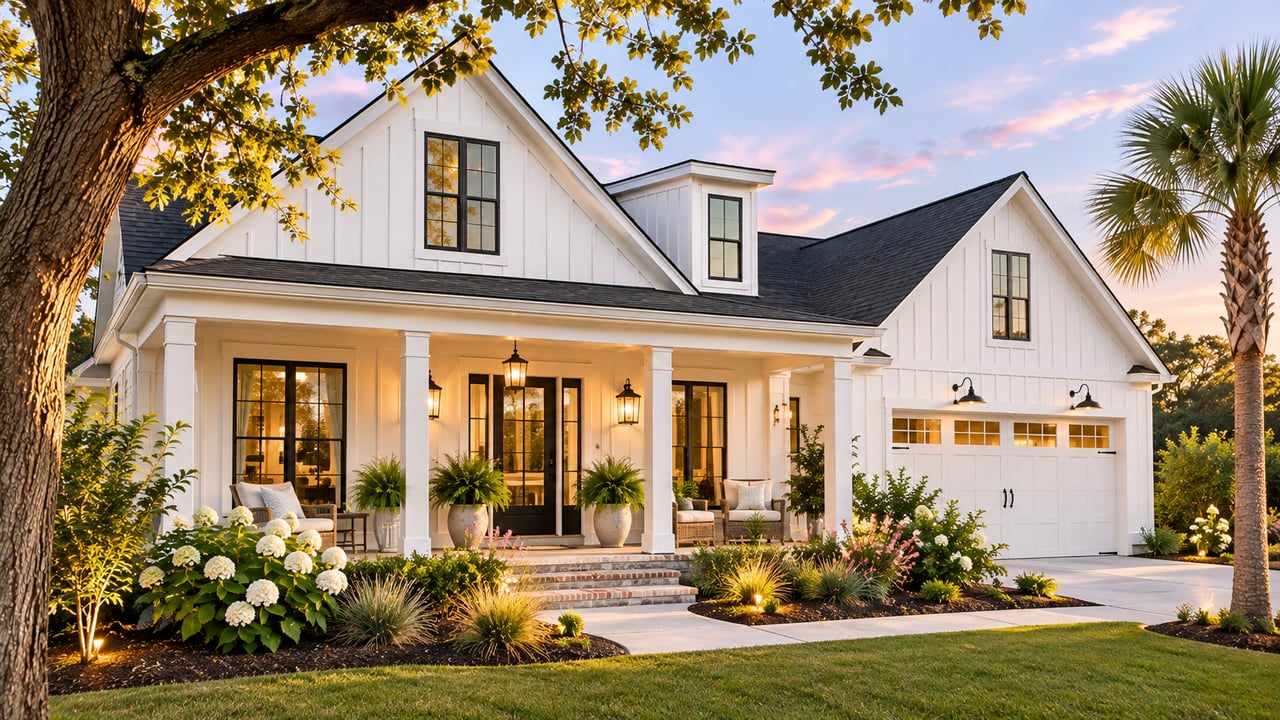
Market Reports
Single-family homes are holding their ground while condos face a different set of challenges. What November's market data means for buyers and sellers along the Grand … Read more
From buying and selling to real estate investing, Megan Parker delivers trusted guidance, local market expertise, and personalized solutions tailored to your goals. Her client-focused approach ensures a smooth, successful experience at every stage of your real estate journey.