Who Pays If Pawleys Inlet Moves Again? The Cost Line Inside the 2025 Settlement
November 18, 2026
November 18, 2026
By Megan Parker, Berkshire Hathaway HomeServices Coastal Real Estate
If Pawleys Inlet moves again, the 2025 settlement already names who pays to move it back: past the southern edge of the new Inlet Management Zone, Prince George does, unless it happens within four and a half years of the Town's renourishment project; past the northern edge, the Town does. What a south end buyer pays shows up somewhere else, in the flood rules, the setback lines and the disclosure form.
Every conversation about the south end of Pawleys Island eventually lands on the same sentence. The inlet moved, the lawsuits happened, and now it's settled. That's true as far as it goes. It just isn't the sentence a buyer needs.
The question that matters on a $1 million or $3 million house near the point isn't whether the inlet will move. Inlets move. It's who writes the check when it does, and whether any of that check can land on the house you're about to own. That part is written down, and most people selling on the south end have never read it.
That gap is worth sitting with.
According to the Town of Pawleys Island's 2025 Legal Settlement FAQ, every party, including the Prince George Community Association and owners, the Town and SC DES, had approved the settlement by December 2025, ending the litigation with no admission of fault by anyone. The FAQ describes $4 million in total funding for inlet relocation and beach restoration, with the Town contributing $150,000 to supplement insurance proceeds and the other parties covering the vast majority.
The useful part for a buyer is the cost line. The settlement creates an Inlet Management Zone south of the island with an express public use easement and no riprap or other hard stabilization. If the inlet later migrates past the zone's southern boundary, Prince George moves it back. The exception: if that happens within four and a half years of completion of the Town's renourishment project, the Town pays. If the inlet migrates past the northern boundary, toward the island, the Town moves it back.
Read that as a buyer and the obligation sits with the Town and with Prince George's association, not with an individual island owner. The FAQ does not describe any assessment on south end owners. That doesn't mean a Prince George owner has no exposure; an association that carries a relocation duty funds it from its members. If you're buying on the Prince George side, the association's budget and reserve documents are where that answer lives.
The second assumption worth correcting is that renourishment on Pawleys Island means a bill for the people who own the houses. The Town's adopted 2024 budget, Ordinance 2023-09, routes $780,000 into the Beach Renourishment Fund from accommodations and hospitality taxes, plus $10,000 in interest. There's no beach assessment line on property owners.
The larger money is federal. Pawleys Island is one of South Carolina's federal coastal storm risk management projects, and the Corps of Engineers reported in May 2025 that the island's post Hurricane Ian emergency renourishment was fully funded by the federal government at no cost to the Town. The Coastal Observer reported in February 2020 that under the Town's agreement with the Corps, the Town pays half of future south end renourishment on a roughly nine year cycle and a quarter of repairs after a federally declared disaster. The Town levies no municipal property tax, per the same reporting.
That's a public funding model. It depends on public access and on the Town keeping its local share funded, and both are worth watching at council. But it's not the kind of number that shows up as a surprise invoice after closing.
This is where a south end purchase gets expensive, and it's in records almost nobody pulls before an offer.
The Town's flood information page states that the entire town is a special flood hazard area, that V zone construction standards apply even in A zones, and that the lowest horizontal structural member must sit at least three feet above base flood elevation. The Town's zoning code, as amended by Ordinance 2023-05, counts substantial improvement cumulatively: improvements over a five year period that reach 50 percent of the structure's market value trigger the full current standard. An older raised cottage that needs a new kitchen, new mechanicals and storm repairs in the same few years can cross that line without anyone planning to.
Then there's the state line. SC DES set Pawleys Island's beachfront baseline and setback line in its 2019 line report and classified the south end as an unstabilized inlet zone. Under S.C. Code § 48-39-290, a new habitable structure between the baseline and the setback line is capped at 5,000 square feet of heated space, sited as far landward as practicable, with no erosion control device. A house destroyed there can't be rebuilt farther seaward or larger. And an erosion control structure that's more than 50 percent destroyed can't be rebuilt and must come out at the owner's expense.
The Town page also lists a CRS Class 5 rating with a 25 percent flood premium discount. That helps. It doesn't change the rebuild math.
The contrast makes the Pawleys model visible. Private beaches don't get public sand money, so private communities fund their own.
DeBordieu Colony's association set up a beach fund through owner assessments, which the Coastal Observer reported in October 2021 was expected to raise up to $12 million over 17 years. On the Litchfield side, owners in the Peninsula at Inlet Point were assessed nearly $300,000 each for a 2022 renourishment, the Coastal Observer reported in February 2023, and some owners challenged it.
Those are the numbers people imagine when they hear "who pays when the shoreline moves." On Pawleys Island itself, the record points the other way. The cost line runs to the Town, to the federal partner and, on the far side of the inlet, to Prince George. The owner's cost line runs through the building code.
Question | Pawleys Island (Town) | Private beach community (DeBordieu, Inlet Point) |
|---|---|---|
Who funds routine sand | Town beach fund from accommodations and hospitality tax, with a federal partner | Owners, through association assessments |
Who pays to move the inlet | Town (north of the IMZ, or south within 4.5 years of renourishment); Prince George otherwise | Not applicable |
Assessment risk on a single owner | None described in the settlement FAQ or the 2024 budget | Documented, from about $12 million over 17 years community wide (DeBordieu) to nearly $300,000 per lot once (Inlet Point) |
Where the owner's exposure sits | V zone standards, cumulative 50 percent rule, state setback limits | All of that, plus the assessment |
Ask for the South Carolina Residential Property Condition Disclosure Statement first. Question 22 asks about erosion and erosion control structures, including buried sandbags. Questions 25 and 27 ask about flood claims and federal flood assistance. Question 28 asks whether the property was assessed for a beach nourishment project during the seller's ownership, and the HOA addendum asks about special assessments.
Know when you won't get that form. S.C. Code § 27-50-30 exempts estate and fiduciary transfers, among others, and plenty of south end houses sell out of estates. If there's no disclosure, the questions still need answers.
If the lot sits seaward of the setback or jurisdictional line, S.C. Code § 48-39-330 requires the contract to disclose the baseline and setback line, the seaward corners of habitable structures and the local erosion rate. Get that before you're in due diligence, not during it.
Then take the elevation certificate, the substantial improvement history and the setback line to your insurance agent and a surveyor. Whether a specific house can be renovated, rebuilt or insured at a given cost is their call, and SC DES and the Town's building official have the final word.
For the bigger picture on which listings are actually on the island, read Most Pawleys Island Listings Aren't Actually on Pawleys Island, and for how premiums are built, What Affects Flood Insurance Costs on the Coast. The Pawleys Island community page and the home search show what's on the market today.
Does a Pawleys Island buyer inherit any obligation from the 2025 settlement?
Not according to the Town's FAQ. It assigns inlet relocation to the Town and to Prince George and describes no assessment on individual island owners; a closing attorney should confirm against the recorded documents.
Who pays if Pawleys Inlet moves again?
It depends on direction. Past the southern boundary of the Inlet Management Zone, Prince George moves it back unless it happens within four and a half years of the Town's renourishment project; past the northern boundary, the Town does.
Is Pawleys Island's beach renourishment federally funded?
Partly. The Corps funded the post Ian repair in full, and the Coastal Observer reported in 2020 that the Town pays half of future south end renourishment and a quarter of post disaster repairs, using accommodations and hospitality tax revenue.
What does a South Carolina seller have to disclose about erosion?
The disclosure form asks about erosion control structures including buried sandbags (Q22), flood claims (Q25), federal flood aid (Q27) and beach nourishment assessments (Q28). Estate and fiduciary sales are exempt from the form under § 27-50-30.
Does the Town's CRS Class 5 rating lower my flood premium?
The Town's flood page lists a 25 percent discount for its Class 5 rating. Your actual premium depends on the structure's elevation and rating, which your insurance agent determines.
Megan Parker grew up on this stretch of coast and has watched the south end of Pawleys change shape more than once. She reads the settlement, the setback line and the disclosure before she talks price, and she'll do the same for your house. Let's Connect.
About the author: Megan Parker is a second generation Realtor with Berkshire Hathaway HomeServices Coastal Real Estate, licensed in South Carolina (Lic. #119738), serving Pawleys Island, Litchfield, DeBordieu, Prince George, Georgetown, Murrells Inlet and the Grand Strand. Sources: Town of Pawleys Island 2025 Legal Settlement FAQs (page updated Jan. 26, 2026); Town of Pawleys Island Ordinance 2023-09 (2024 budget); Town of Pawleys Island Flood Information page; U.S. Army Corps of Engineers (May 13, 2025); SC DES Pawleys Island Line Report (Dec. 2019); S.C. Code §§ 27-50-30, 48-39-290, 48-39-330; SC LLR Residential Property Condition Disclosure Statement (updated 6/2025); Coastal Observer (Feb. 20, 2020; Oct. 1, 2021; Feb. 12, 2023). This article is general information, not legal, tax, insurance, flood or survey advice; verify any property specific question with an attorney, insurance professional, surveyor or SC DES. Information deemed reliable but not guaranteed. Berkshire Hathaway HomeServices Coastal Real Estate. Equal Housing Opportunity.
From Megan's Desk
The settlement assigns inlet relocation to the Town and Prince George; a south end owner's cost runs through flood and setback rules.
Neighborhood Guides
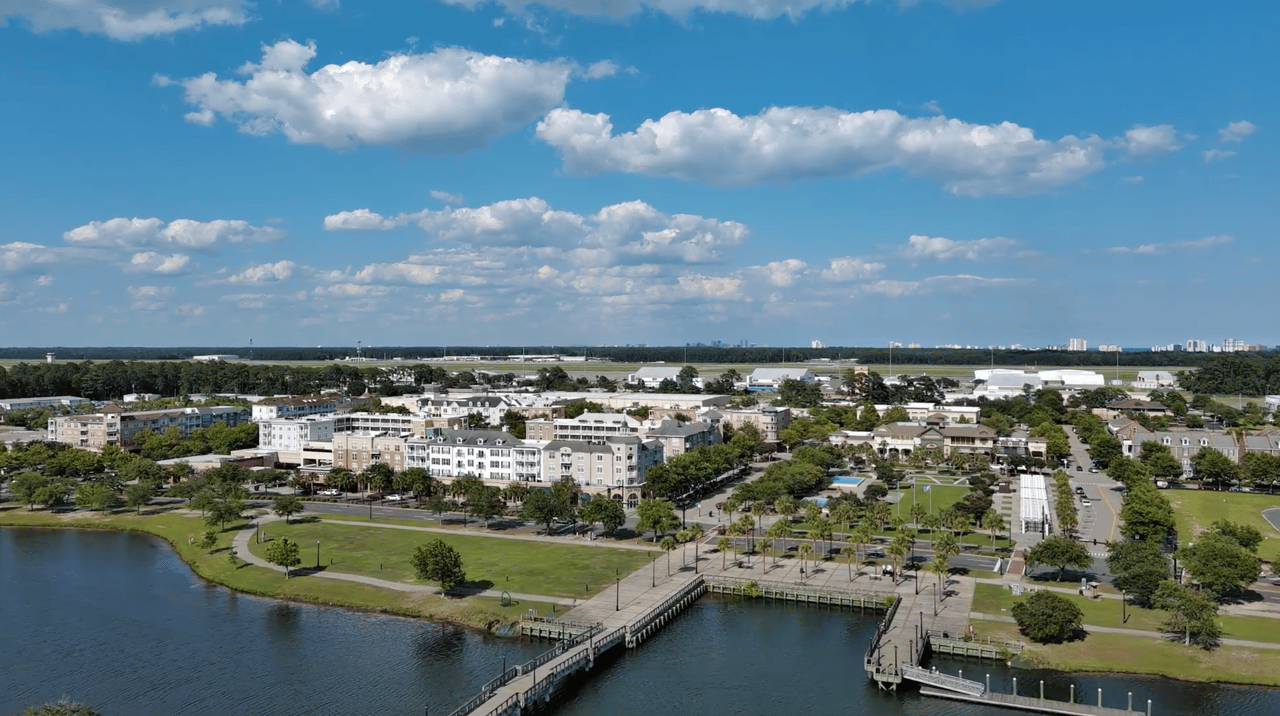
Before the shops and the lake, the city built a financing plan on an empty air base. That plan still decides what a Market Common address really means.
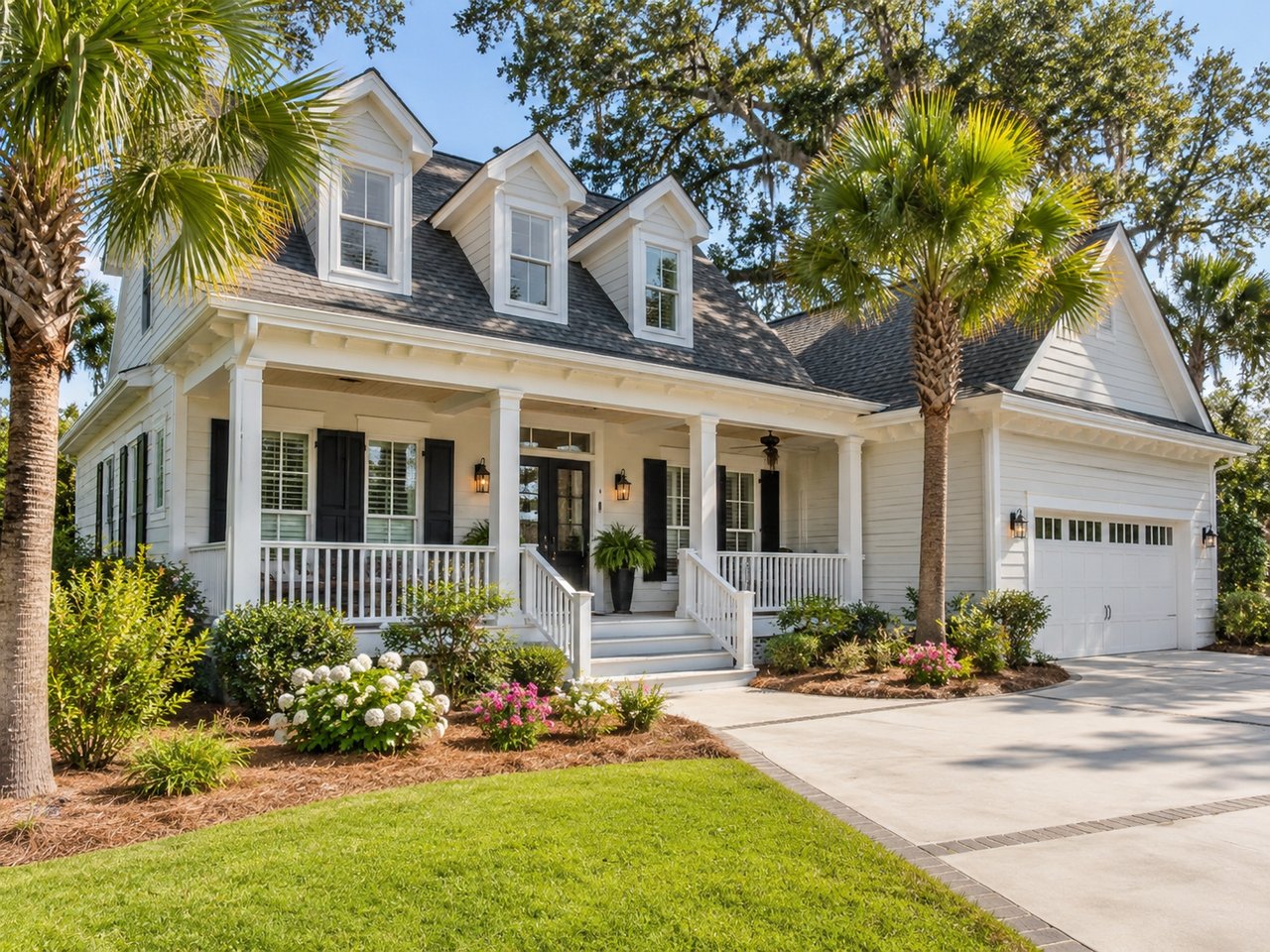
More listings don't always mean falling prices. What's happening in your neighborhood and price range tells a much more useful story.
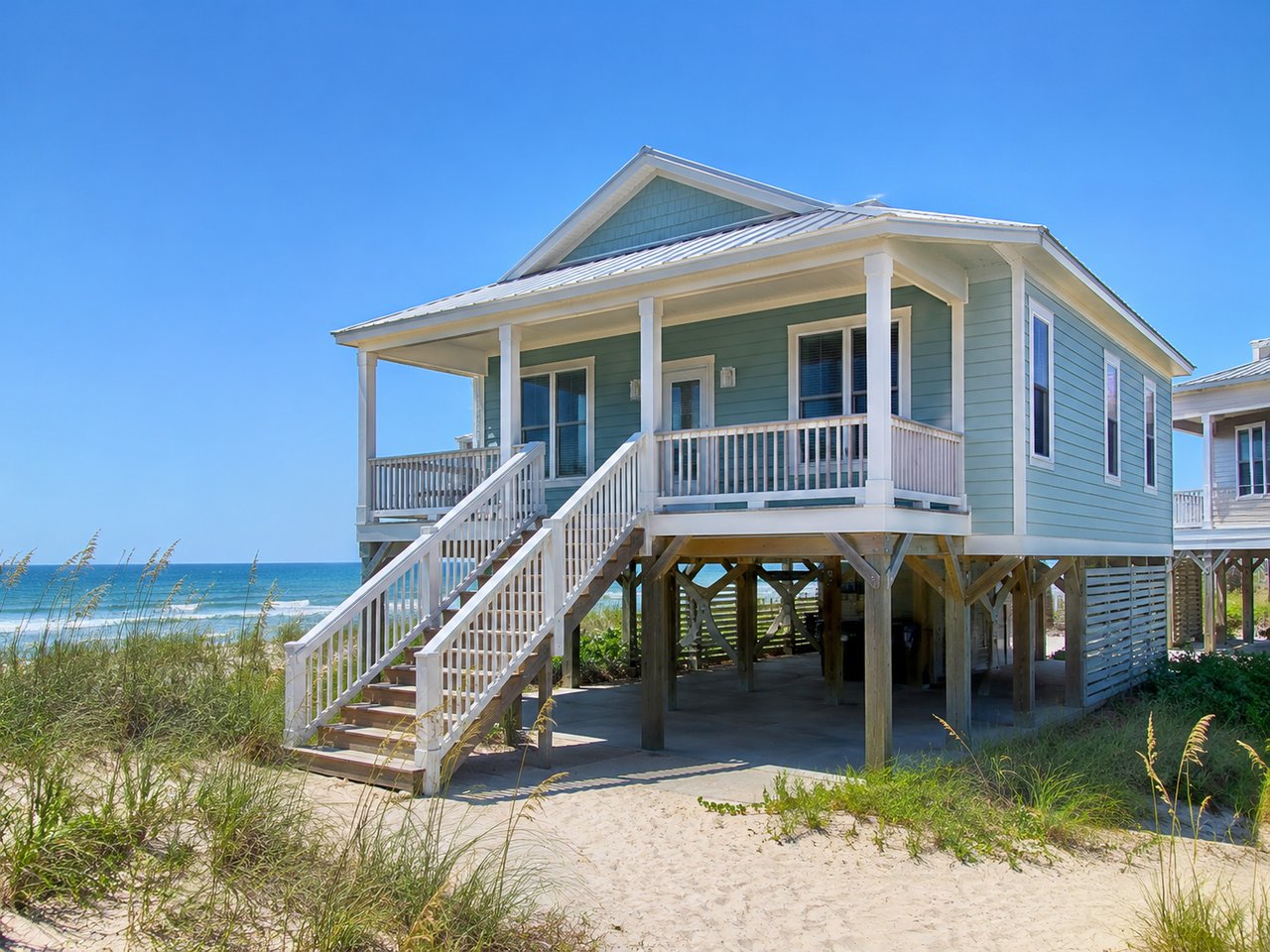
Two coastal homes can have the same price tag and very different insurance costs. Here's what buyers should know before making an offer.

Taxes, Fees and Rules
Registration, insurance, and the local rules that change from one Grand Strand town to the next, checked against the statute as amended in May 2026.

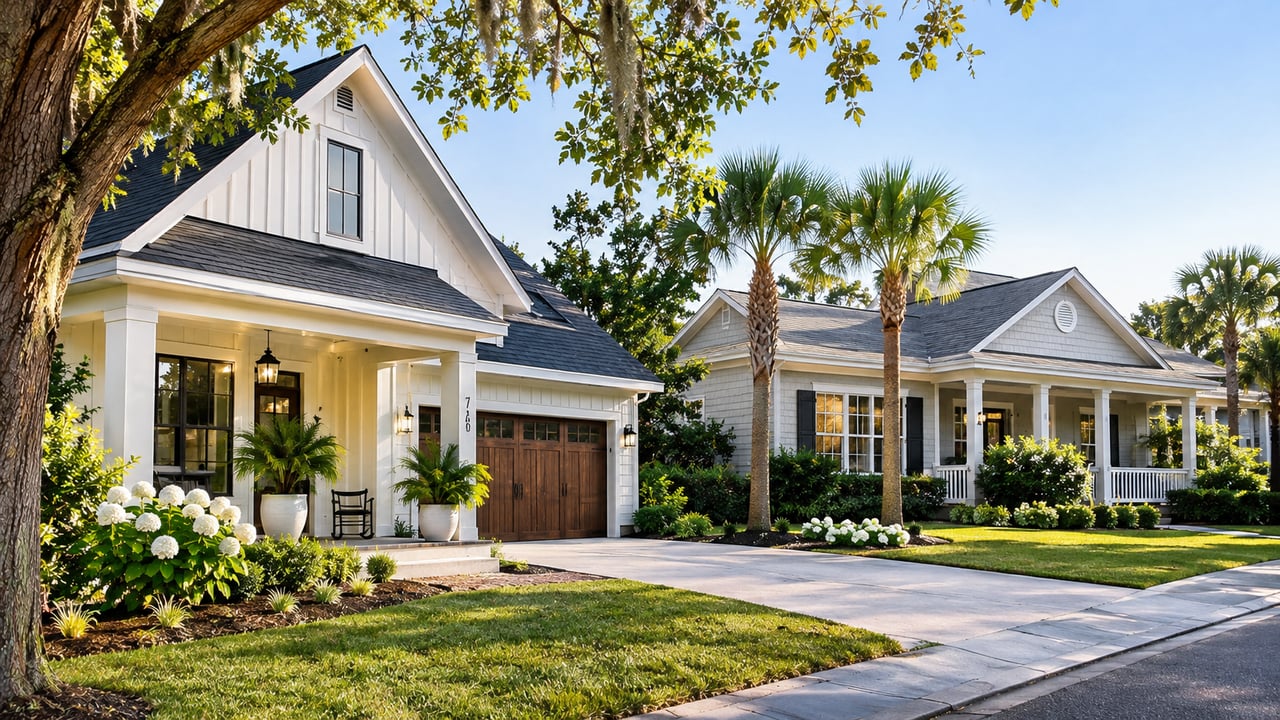
Builder incentives can be tempting, but established neighborhoods have advantages of their own. Here's how to compare the real cost of both.
Market Reports
Through November 9, 10,322 single family homes sold, three more than last year, at an average price up 2.8% and four days faster.

Market Reports
Single-family homes are holding their ground while condos face a different set of challenges. What November's market data means for buyers and sellers along the Grand … Read more
From buying and selling to real estate investing, Megan Parker delivers trusted guidance, local market expertise, and personalized solutions tailored to your goals. Her client-focused approach ensures a smooth, successful experience at every stage of your real estate journey.